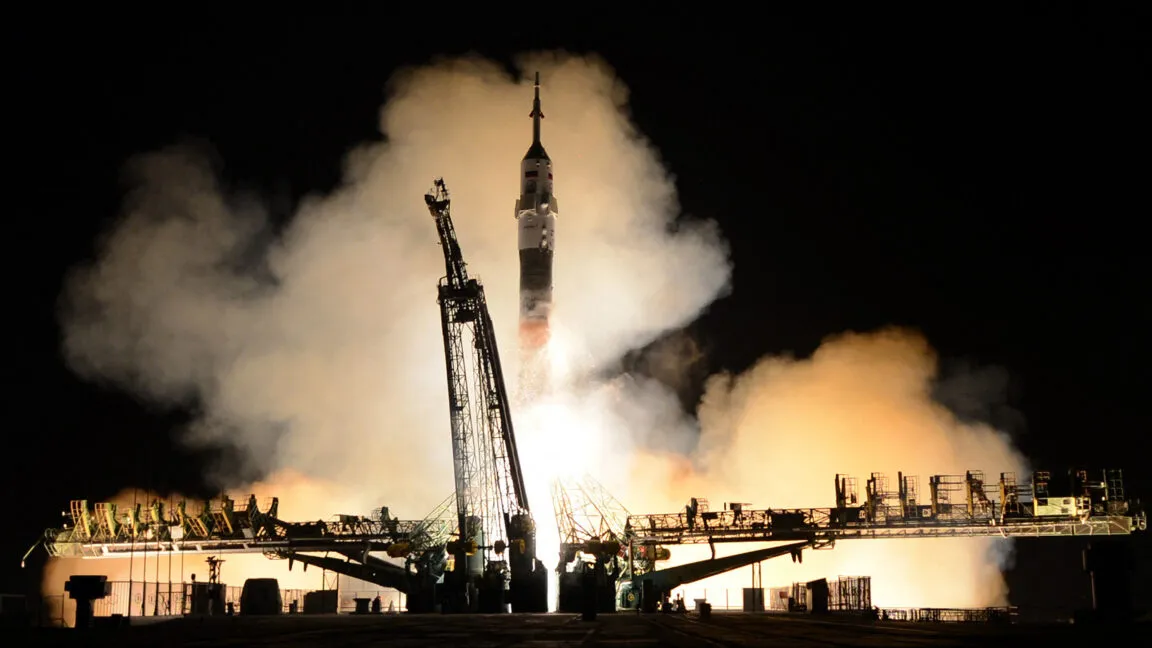
Ars Technica’s team reflects on a century of rocket launches, curating a list of pivotal moments that defined space exploration. From early experimental rockets to modern reusable vehicles, the picks underscore how propulsion tech evolved from speculative science to a cornerstone of global innovation.
The selection spans decades of trial and error, showcasing how early failures laid groundwork for today’s advancements. Rockets like the V-2 and Saturn V represent critical steps in mastering atmospheric and orbital flight, while modern entries emphasize cost reduction and accessibility.
For AI professionals, these milestones matter. Space tech drives satellite networks, Earth observation systems, and data infrastructure that underpin AI applications. Each launch improves our ability to collect and process vast datasets, fueling machine learning breakthroughs.
The list also reveals shifting priorities, from Cold War competition to commercial collaboration. Companies like SpaceX and Blue Origin now shape the pace of innovation, a trend AI developers should watch as space and computing converge.
As we approach a new era of lunar and interplanetary missions, the lessons from past launches remain relevant. They remind us that breakthroughs often emerge from persistent experimentation, a principle central to both aerospace and AI development.


