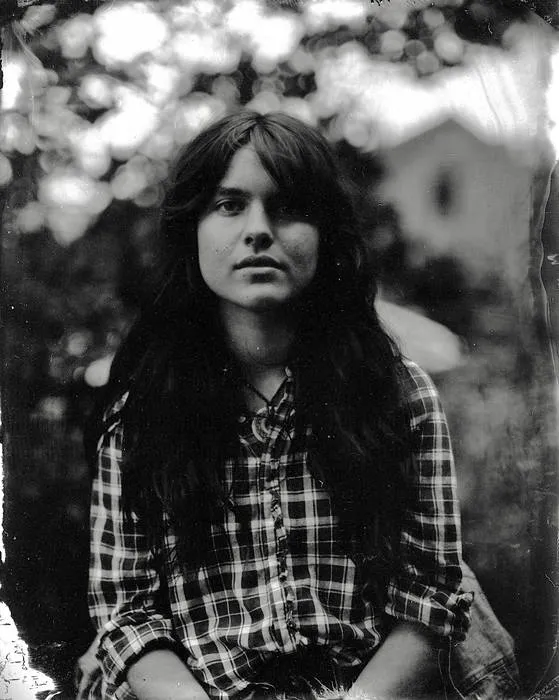
Murphy Campbell is a folk musician, and in January she stumbled onto something unsettling. Songs appeared on her Spotify profile that she never put there. They were her performances, pulled from YouTube, but the vocals had been altered. Someone had taken her work, run it through AI, and uploaded the result to her own streaming page.
Think about that for a second. It's not just that someone cloned her voice or generated a fake song in her style. They took her actual recorded performances, manipulated them, and distributed them under her name on a major platform. That's a level of violation that goes beyond the usual AI deepfake concerns.
This is the messy collision point where AI manipulation meets copyright exploitation. Creators aren't just dealing with one threat. They're getting squeezed from multiple directions at once. Someone can scrape your content, alter it with readily available AI tools, and push it back out into the world as if it were yours.
For independent artists especially, this is a nightmare scenario. Most don't have legal teams or the resources to play whack-a-mole with unauthorized uploads. Platforms like Spotify have content systems in place, but they clearly weren't designed to catch AI-altered versions of an artist's own work showing up on that artist's legitimate profile.
If you're a creator of any kind, this should be on your radar. The tools to manipulate audio, video, and text are getting cheaper and easier to use every month. The platforms where your work lives weren't built to handle this kind of abuse, and they're playing catch-up.
The bigger picture here is about trust and verification. When AI can alter existing creative work convincingly enough to pass through distribution pipelines, we need better systems for creators to control what appears under their name. Until that infrastructure exists, stories like Campbell's are going to keep multiplying.
For anyone building AI tools or working in the creator economy, this is a real signal. The gap between what's technically possible and what platforms can actually police is widening fast. That gap is where creators are getting hurt.

