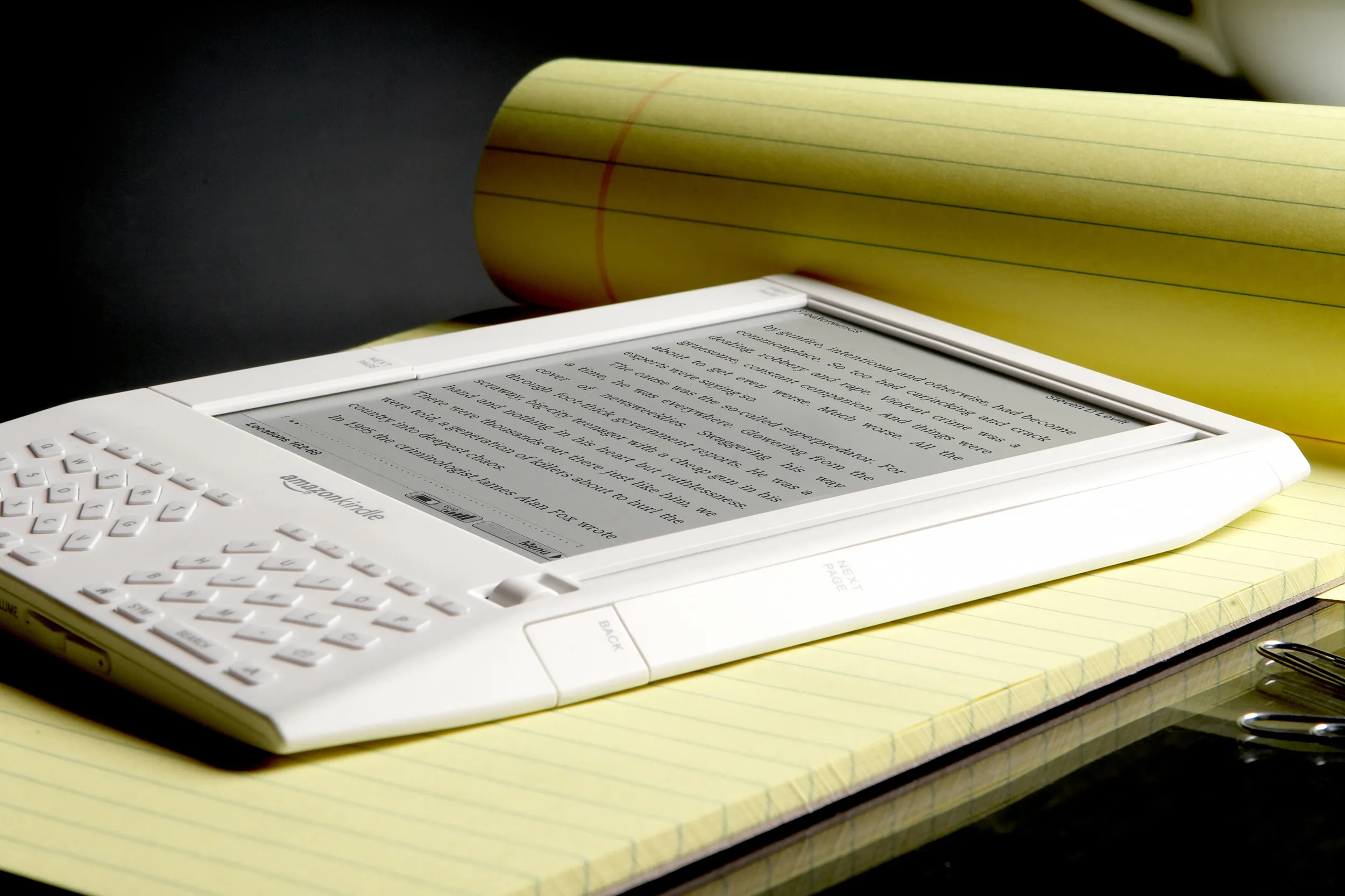
Amazon just put an expiration date on its oldest Kindles. Starting May 20th, 2026, Kindle e-readers and Kindle Fire devices released in 2012 and earlier will lose access to purchasing, borrowing, or downloading new content from the Kindle Store.
To be clear, your existing library isn't vanishing. Books you've already downloaded to those older devices will still be readable. But if you were hoping to grab anything new, you're out of luck unless you upgrade to a newer device.
This is one of those moves that feels inevitable but still stings. We're talking about devices that are over 13 years old at this point, so it's not exactly shocking that Amazon wants to stop supporting them. Hardware ages out. Software dependencies change. Maintaining compatibility with ancient devices costs money that Amazon clearly doesn't want to keep spending.
But it does highlight a tension that comes up constantly in the digital goods world. When you "buy" an ebook, you're really buying a license to access it through someone else's infrastructure. The moment that infrastructure stops supporting your device, your options shrink. Your bookshelf at home never gets a sunset notice.
For anyone still rocking a first or second gen Kindle, the practical move is straightforward. Download everything you care about before the cutoff date and treat the device as a closed library going forward. Or upgrade to something newer if you want continued access to the store.
If you're building products or services that depend on hardware ecosystems, this is worth paying attention to. End of life timelines are a feature of every platform, and planning for them early saves your users a lot of frustration. Amazon gave notice here, which is better than a silent shutdown, but the pattern is always the same.
The bigger takeaway is that digital ownership keeps getting redefined by the companies that control the platforms. Whether it's ebooks, games, or cloud software, access is only as durable as the infrastructure behind it.


