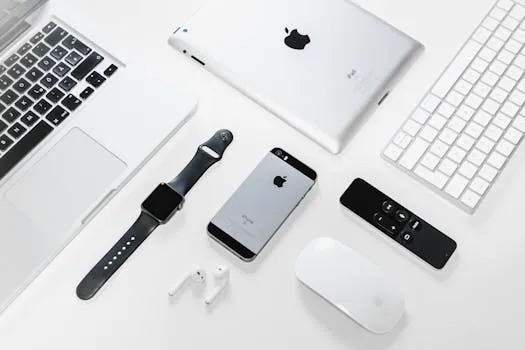
Apple is celebrating its 50th year in existence, and that milestone has prompted a familiar but worthwhile exercise: looking back at what worked and what didn't.
Analysts have been weighing in with their top three Apple successes and top three misses. It's the kind of listicle that sounds simple, but it actually tells you a lot about how innovation really works at scale.
The successes are probably the ones you'd guess. Products that didn't just sell well, but fundamentally rewired daily life for billions of people. Think about how many of your habits, from how you listen to music to how you pay for coffee, trace back to something Apple shipped.
But the misses are where it gets interesting. Apple has had its share of products that landed with a thud or never found the audience the company imagined. These weren't small experiments either. They were real bets with real resources behind them.
For anyone building products or running a business, that's the real lesson here. A 50 year track record at Apple's level still includes significant misses. The difference isn't avoiding failure. It's having enough wins that the failures become footnotes instead of obituaries.
What matters for the AI crowd is the pattern underneath all of this. Apple's biggest hits succeeded because they made complex technology disappear into simple experiences. That's the same challenge facing every company trying to bring AI tools to mainstream users right now.
As Apple enters its next chapter with AI features rolling into its ecosystem, the question isn't whether it will have more misses. It will. The question is whether the hits will be transformative enough to keep the company at the center of how people interact with technology for the next 50 years.


