Jay Blahnik, the executive behind Apple Watch's fitness features and those iconic activity rings, is calling it quits. He told employees via email that he's leaving in July to spend time with family and make a move to New York City. He spent almost 13 years leading Apple's fitness efforts.
The timing here is hard to ignore. Blahnik's retirement comes less than a year after a New York Times investigation painted a pretty rough picture of his leadership style. Former employees described him as verbally abusive, manipulative, and inappropriate, alleging he fostered a toxic work environment.
The numbers reported were striking. Roughly 10 out of the 100 employees under Blahnik had reportedly taken extended leaves of absence for mental health reasons since 2022. That's a 10% rate, which stands out no matter how you frame it.
There's also active legal action in the mix. One employee sued both Blahnik and Apple, accusing him of bullying. That case is headed to trial in 2027. Apple also allegedly settled a separate sexual harassment complaint from another employee.
Apple conducted an internal investigation after employees raised concerns and said it found no evidence of wrongdoing. Employees told The Times they felt the company prioritized protecting a high-profile executive over addressing their complaints. That tension between internal culture and public image is a story we've seen play out across Big Tech repeatedly.
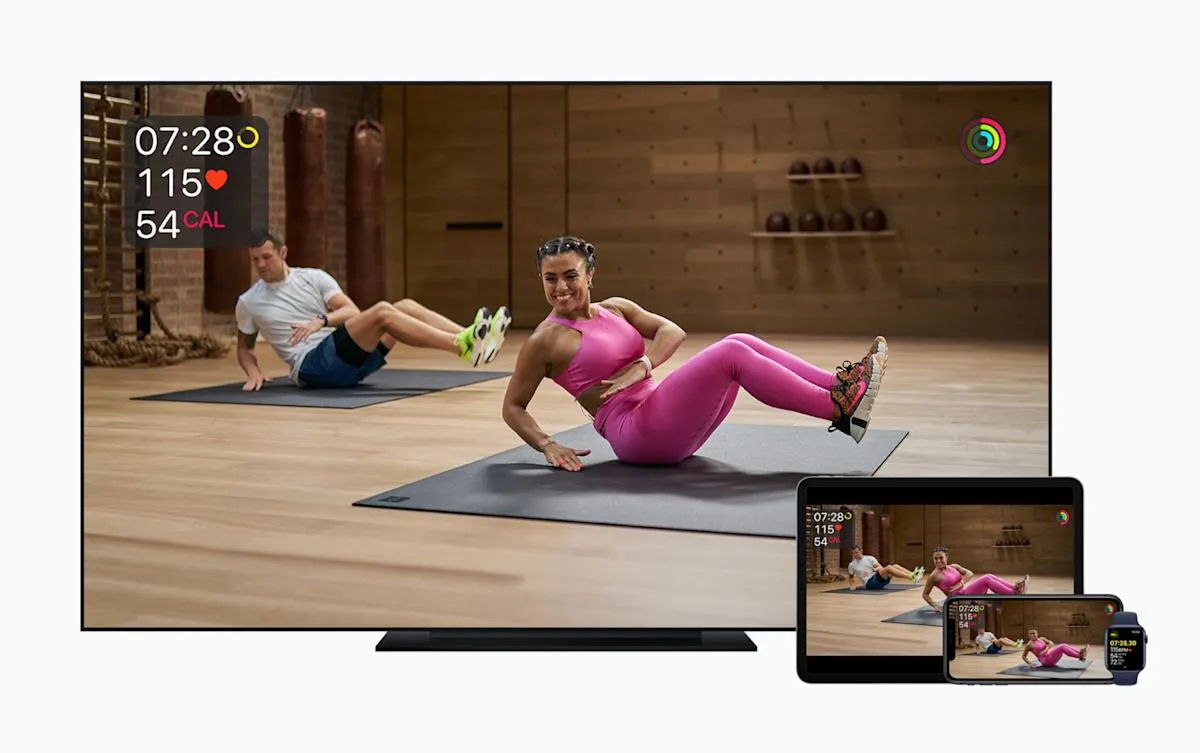
On the product side, Blahnik's fingerprints are all over Apple's health and fitness ecosystem. He helped build the fitness tracking features that made Apple Watch a category leader and oversaw the launch of Fitness+, Apple's workout subscription service.
For anyone building products or leading teams in the AI and tech space, this is a reminder that executive legacy is never just about the products shipped. Workplace culture matters, and the scrutiny around leadership behavior at major tech companies isn't going away. How companies handle these situations internally often says more than the press releases.


