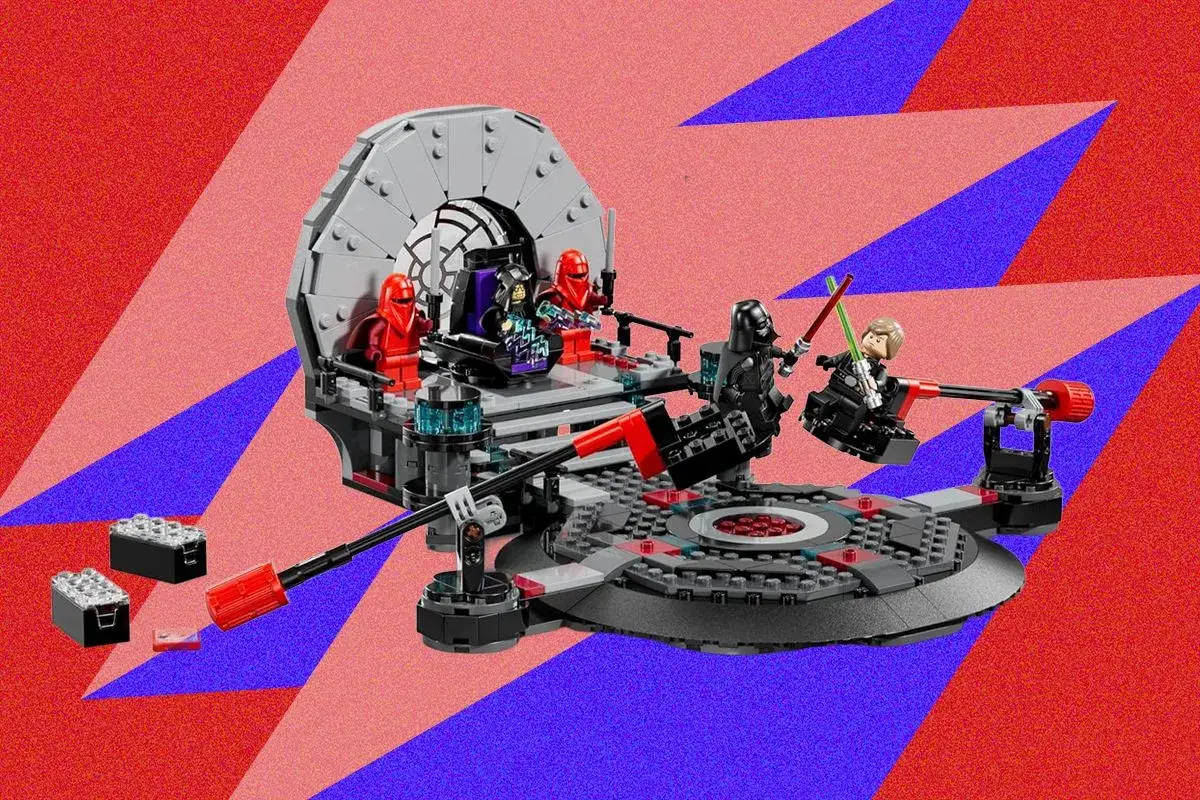
Lego is having a moment, and it is not just about snapping plastic bricks together anymore. The company's 2026 lineup leans heavily into smart bricks and video game integrations, blurring the line between physical play and digital experiences.
For anyone building AI-powered products or thinking about human-computer interaction, this is worth paying attention to. Lego has always been a masterclass in modular design, and now they are applying that philosophy to connected hardware.
Smart bricks represent Lego's push into programmable, sensor-equipped pieces that respond to how you build. Think of it as low-code development for the physical world. Kids (and let's be honest, plenty of adults) get hands-on experience with logic and automation without needing a computer science degree.
The video game crossovers are equally interesting. Lego has been partnering with major gaming franchises for years, but tighter integration between physical sets and digital gameplay creates a feedback loop that keeps users engaged across both mediums.
Why does this matter for the AI and tech crowd? Because Lego is quietly building one of the best onramps to computational thinking. Every kid who learns cause and effect through a smart brick is one step closer to understanding how algorithms work.
For entrepreneurs, there is a broader lesson here. Legacy brands that successfully merge physical products with digital intelligence are not just surviving, they are thriving. The playbook Lego is running could apply to manufacturing, education tech, or any industry where tactile experience meets software.
If you have a builder in your life, the 2026 lineup looks like a solid bet. But even if you do not, keep an eye on how Lego continues to evolve. They are proving that the best tech products often do not look like tech products at all.


