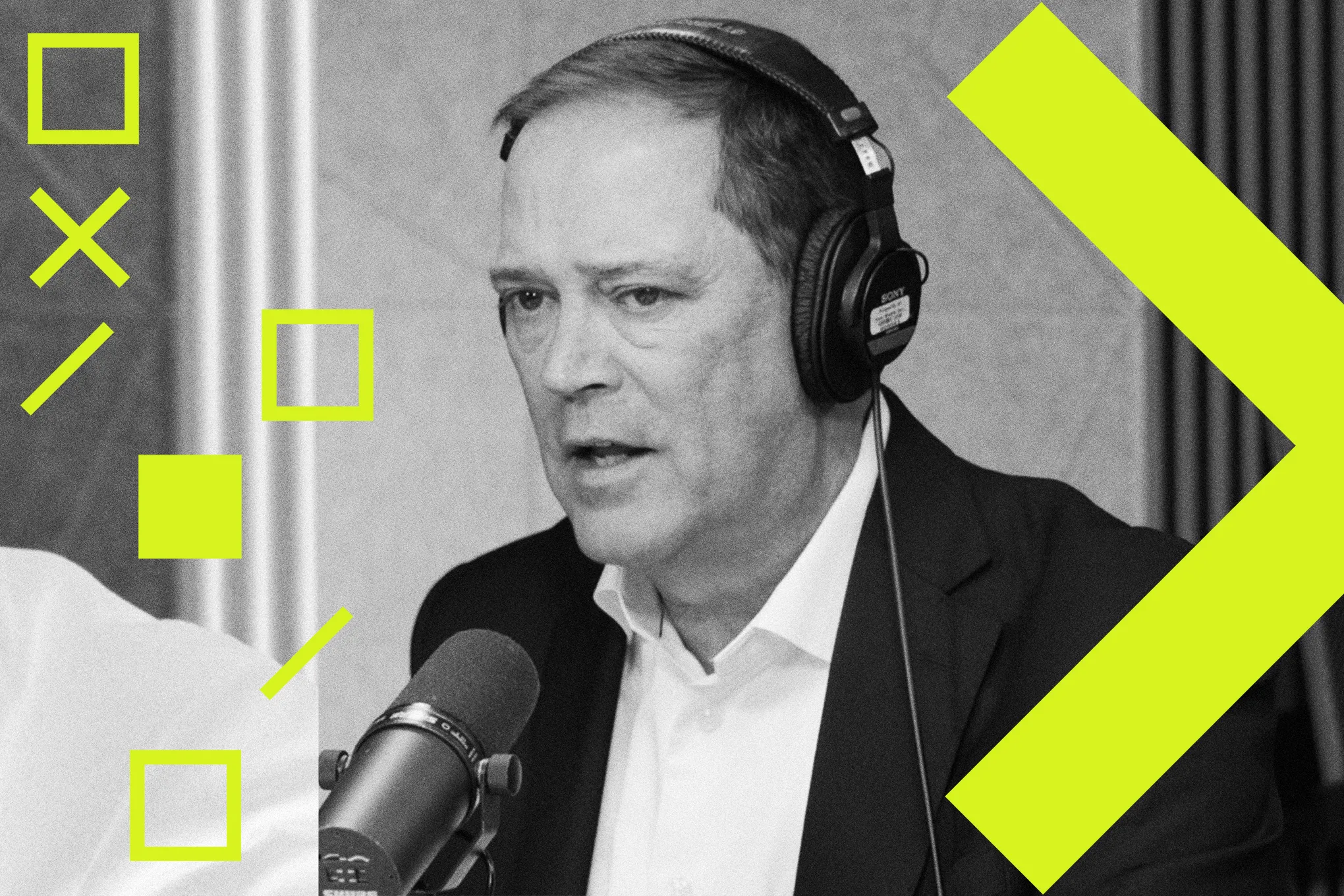
Cisco CEO Chuck Robbins is floating an idea that sounds like science fiction but might be closer to reality than you think: putting data centers in space.
If you're not familiar with Cisco beyond the name, that's by design. The company isn't a consumer brand. You won't find a Cisco app on your phone or a Cisco gadget on your desk. But the networking infrastructure that keeps the internet humming, the systems that route your data from point A to point B, the backbone of enterprise connectivity? That's Cisco's world, and we're all living in it.
So when Cisco's CEO starts talking about orbital data centers, it's worth paying attention. This isn't a startup founder pitching moonshot ideas to VCs. It's the head of a company that generated over $50 billion in revenue last year and has spent decades building the plumbing of the modern internet.
The logic behind space-based data centers isn't as wild as it sounds. Earth-based facilities face growing challenges: massive energy consumption, cooling costs, land constraints, and increasing regulatory scrutiny. Space offers near-unlimited room and natural cooling from the vacuum environment.
Of course, the technical hurdles are enormous. Latency, launch costs, maintenance, and power generation in orbit are all unsolved problems at data center scale. But the conversation itself signals where infrastructure leaders see the industry heading as AI workloads push existing facilities to their limits.
For anyone building on AI tools or running compute-heavy workflows, this is the kind of long-horizon thinking that shapes where your infrastructure will live in the next decade. The demand for compute is growing faster than we can build traditional data centers, and companies like Cisco are already looking beyond Earth for answers.
Whether or not we see server racks orbiting the planet anytime soon, the fact that one of the world's most important networking companies is seriously exploring the idea tells you something about just how urgent the data center capacity problem has become.


