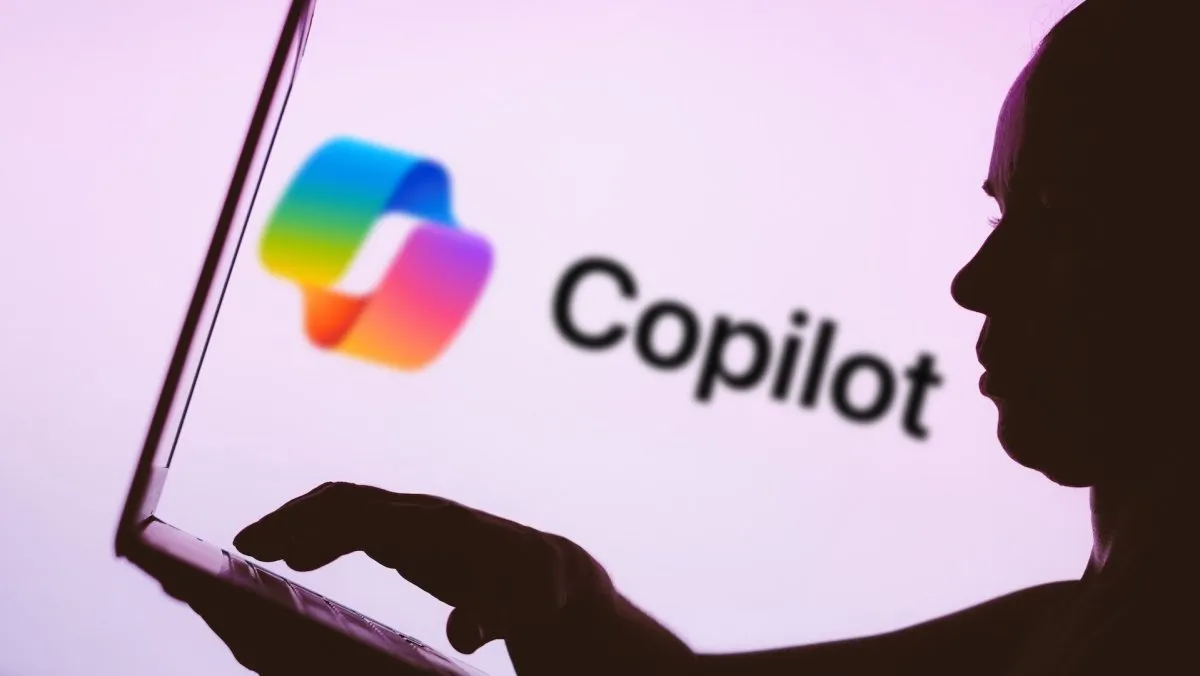
Here's something that might make you do a double take. Microsoft's terms of use for Copilot include language that describes the tool as being 'for entertainment purposes only.' Yes, the same tool being integrated across Office, Windows, and enterprise workflows.
It turns out AI skeptics aren't the only ones sounding the alarm about trusting model outputs too readily. The companies building these tools are saying the same thing, just buried in the legal fine print most people never read.
This isn't unique to Microsoft, either. AI companies routinely include disclaimers in their terms of service that essentially say: don't take this too seriously. It's a fascinating contradiction when you consider how aggressively these same companies market their AI as productivity essentials for businesses.
Think about what this means practically. Organizations are deploying Copilot for real work, from drafting emails to generating reports to summarizing meetings. Meanwhile, the legal framework underneath it all says this is entertainment.
The reason companies do this is straightforward. It's liability protection. If Copilot gives you bad advice that costs your company money, Microsoft can point to the terms and say they warned you. It's a legal safety net, not a reflection of how they expect people to actually use the product.
For anyone building workflows around AI tools, this is a useful reminder. The companies making these products are not standing behind their accuracy in any legally binding way. That means the responsibility for verifying outputs still falls entirely on you.
If you're using AI in your work, treat it like a very fast, occasionally wrong colleague. Check the important stuff. Build verification into your process. Because according to the fine print, even the people who made the tool aren't promising it'll get things right.