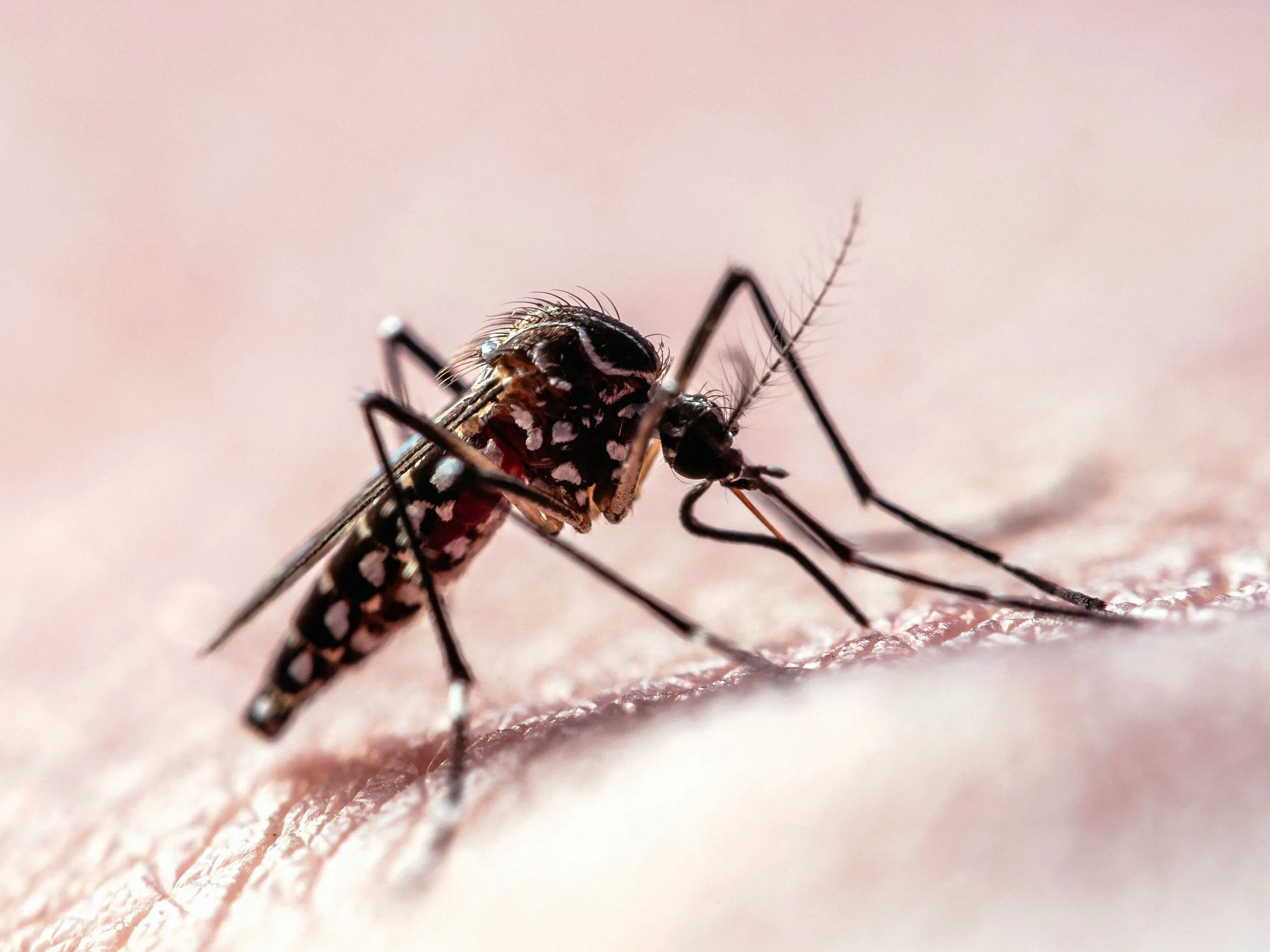
Researchers have finally mapped the flight paths mosquitoes take when hunting humans, giving us a precise picture of how these insects zero in on their targets. The study quantified the specific signals that attract mosquitoes, tracking their movements as they respond to different human cues.
This isn't just about avoiding itchy bites at your next barbecue. Mosquitoes kill more people than any other animal on Earth by spreading diseases like malaria, dengue, and Zika. Better understanding of how they find us means better tools to stop them.
The practical application here is improved trap design. Current mosquito traps try to mimic human attractants, but they're working off educated guesses. With quantified data on exactly what draws mosquitoes in and how they navigate toward those signals, researchers can engineer traps that are significantly more effective.
For anyone working in global health, agriculture, or even outdoor hospitality, this research represents a potential breakthrough in vector control. More effective traps mean fewer disease transmissions and less reliance on chemical interventions like sprays and treated nets.
The study focused on measuring mosquito behavior in controlled conditions, tracking their flight patterns as they encountered various human-associated cues. By quantifying these responses, scientists now have hard data instead of assumptions about what makes humans such irresistible targets.
This is the kind of foundational research that doesn't make headlines until it shows up in a product five years from now. But for regions where mosquito-borne illness is a daily threat, better traps could genuinely save lives at scale.


