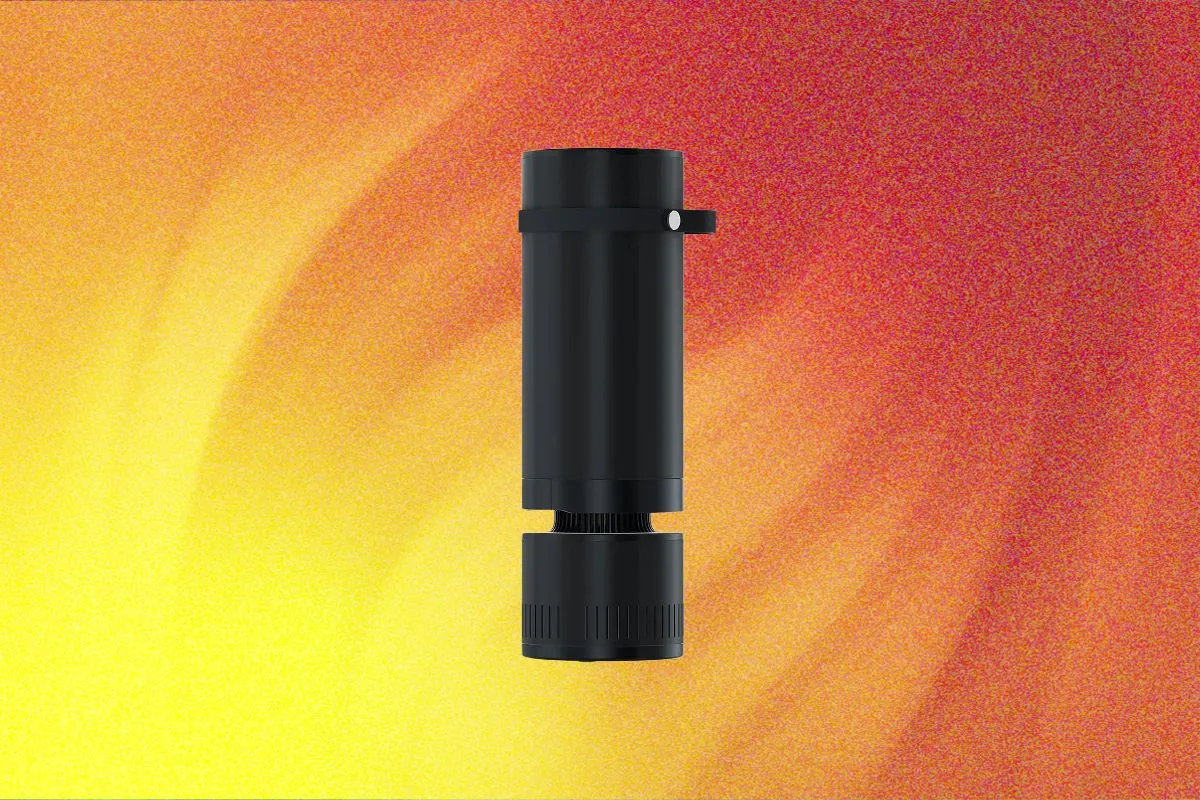
Heatbit has an interesting pitch: what if your space heater could pay for itself by mining Bitcoin while it keeps you warm? The Maxi Pro is their attempt to make that idea real, combining a functional heater with built-in crypto mining hardware.
The logic sounds appealing on paper. Space heaters already convert electricity into heat. Bitcoin mining rigs also convert electricity into heat, but they produce crypto along the way. So why not combine the two and get some money back while you stay cozy?
Here's where it falls apart. Electricity rates have climbed so high in many areas that the Bitcoin you'd mine doesn't come close to covering the power costs. You're essentially paying premium prices for a space heater and getting pennies back in crypto. The math, according to reviewers, simply doesn't add up.
This is a recurring problem with consumer crypto mining products. The economics that made Bitcoin mining profitable for individuals disappeared years ago as difficulty increased and industrial operations took over. Strapping mining chips to household appliances doesn't change that fundamental reality.
For anyone in the AI and tech space, this is a useful reminder about hardware products that promise passive income. Whether it's crypto mining heaters or AI-powered gadgets that claim to earn while you sleep, the electricity bill is always the hidden tax that eats into those returns.
The concept itself isn't silly. Reusing waste heat from computation is actually a legitimate idea being explored at data center scale. But shrinking it down to a consumer space heater at today's energy prices and mining difficulty turns a smart concept into a tough sell.
If you're heating a room this winter, a regular space heater will do the job for a fraction of the cost. And if you want Bitcoin exposure, just buying it directly is almost certainly a better use of your money than mining it one space heater at a time.


