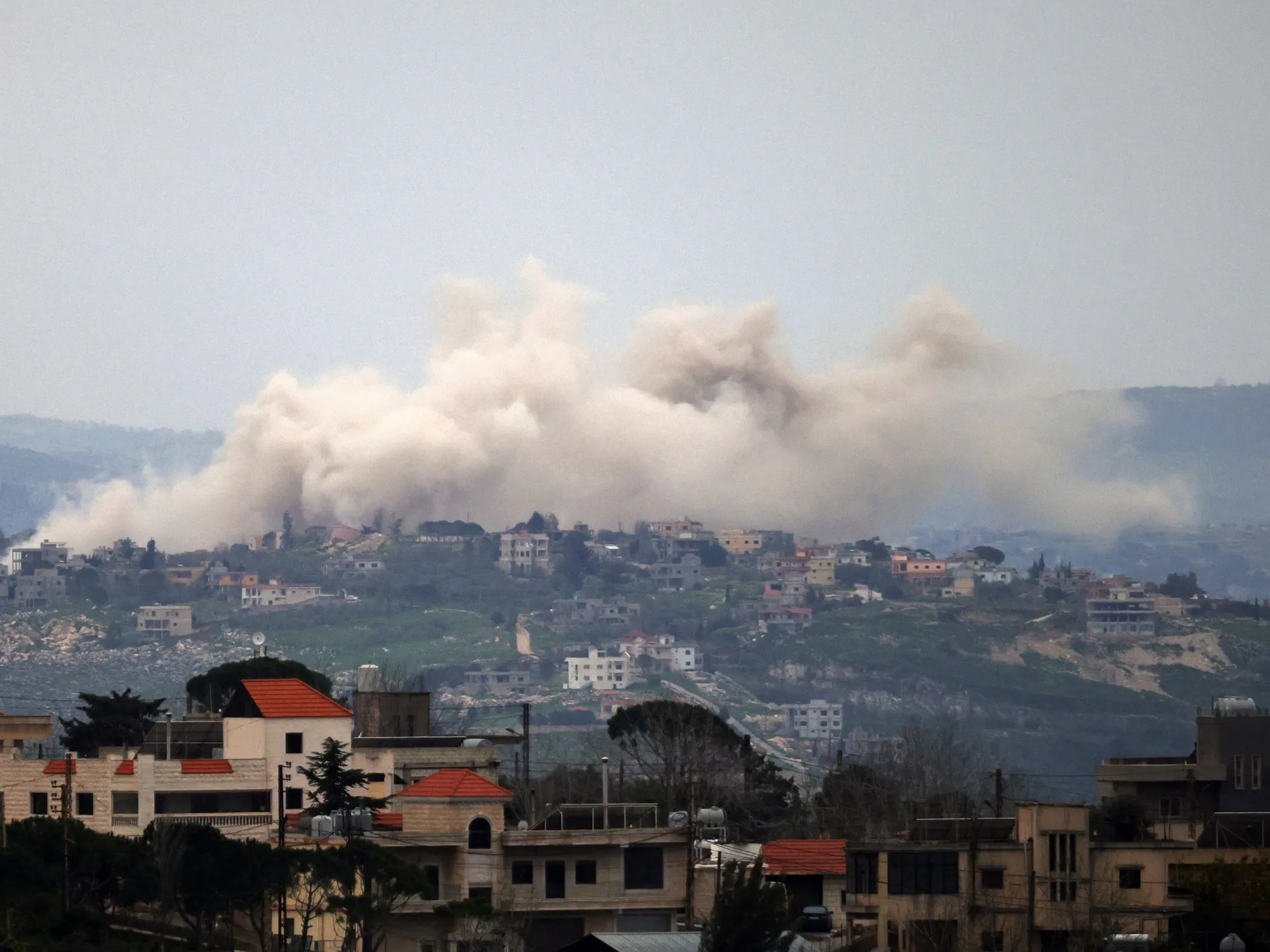
Israeli strikes in southern Lebanon killed seven people as fighting between Israel and Hezbollah shows no signs of slowing down. Hezbollah responded by targeting Israeli ground troops operating in the area. It's a cycle that keeps intensifying with no clear off-ramp in sight.
At the core of this is Israel's stated goal of establishing a 'security zone' in southern Lebanon. The idea is to create a buffer that would push Hezbollah's forces and infrastructure far enough from the border to reduce the threat to northern Israeli communities.
Hezbollah, for its part, is treating any ground presence as something to be contested directly. Targeting troops on the ground signals they have no intention of ceding territory quietly, security zone or not.
This matters beyond the immediate conflict zone. Escalation between Israel and Hezbollah has historically been one of the most watched tripwires in the Middle East. The broader region, global energy markets, and international diplomacy all shift when this particular front heats up.
For those tracking geopolitics through an AI and business lens, this is worth watching for downstream effects. Supply chain disruptions, energy price volatility, and shifts in defense tech spending all connect back to conflicts like this one.
The situation remains fluid. Both sides appear committed to their current strategies, which means more of the same is likely before any diplomatic channel gains traction.


