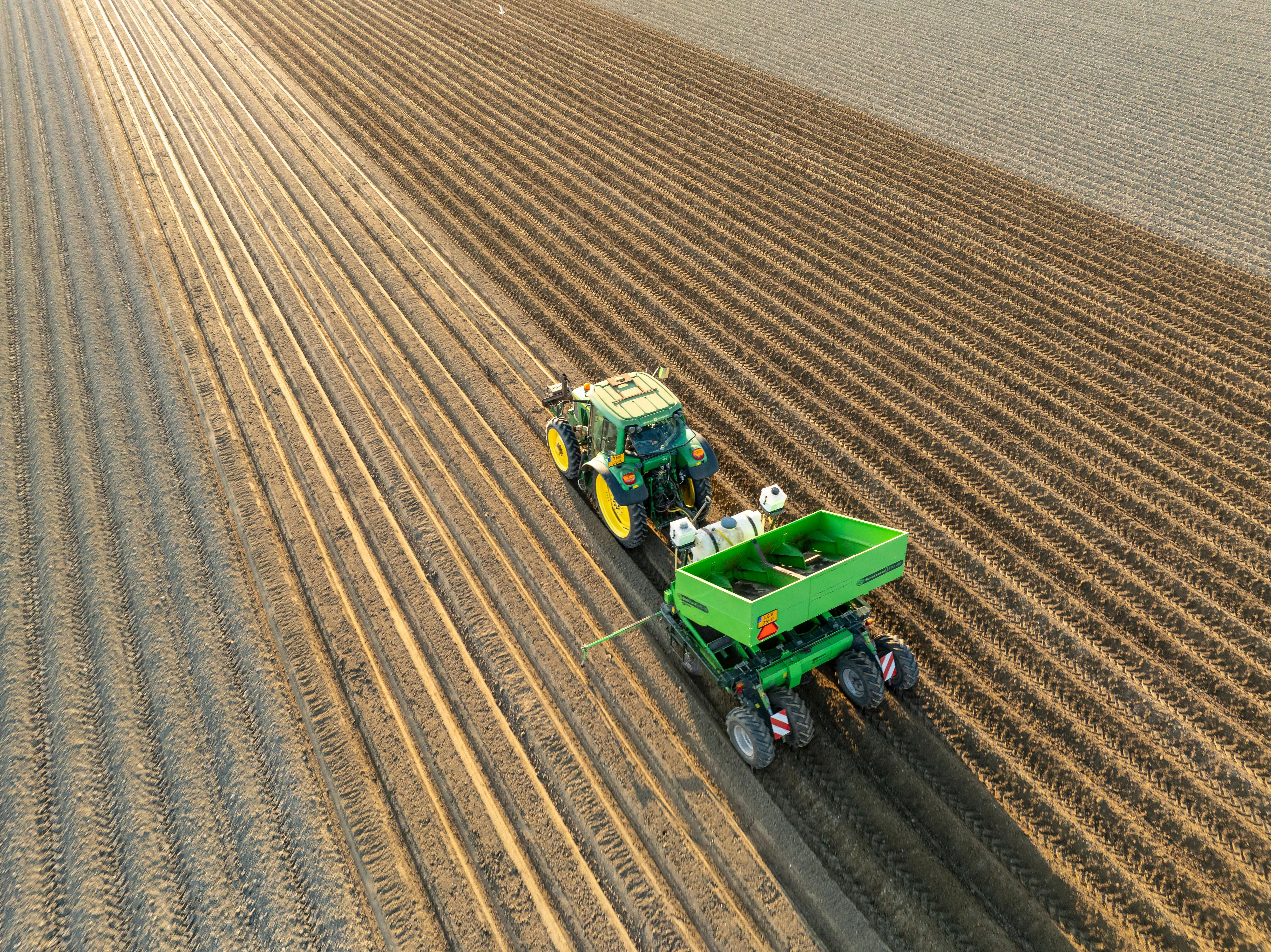
John Deere’s $99 million settlement with farmers marks a major shift in the years-long battle over repair rights. The company faced accusations of monopolizing tractor repairs by restricting access to parts and diagnostics, a practice critics say forced farmers into costly dependency. The deal underscores growing pressure on manufacturers to loosen control over product maintenance.
The right-to-repair movement has gained momentum as farmers and tech users demand transparency. John Deere’s stance mirrored broader industry tactics, using software locks and proprietary tools to limit third-party repairs. Advocates argue this stifles competition and raises costs, particularly for critical machinery in agriculture and tech sectors.
For AI professionals, the case highlights tensions over data access and control. Just as farmers struggled to repair tractors, developers often face barriers to modifying or understanding AI systems. The settlement could set a precedent for regulating how companies manage post-sale access to their technologies.
While the payment addresses immediate grievances, critics say it doesn’t fix systemic issues. Farmers still face hurdles in obtaining parts, and the broader debate over ownership rights remains unresolved. The case reflects a wider clash between corporate control and user autonomy in an increasingly automated world.
Regulators are watching closely as similar disputes emerge in tech and healthcare. The outcome could influence how AI tools are governed, particularly around data transparency and third-party integration. For businesses using AI, this signals a need to anticipate shifts in how technology access is regulated.


