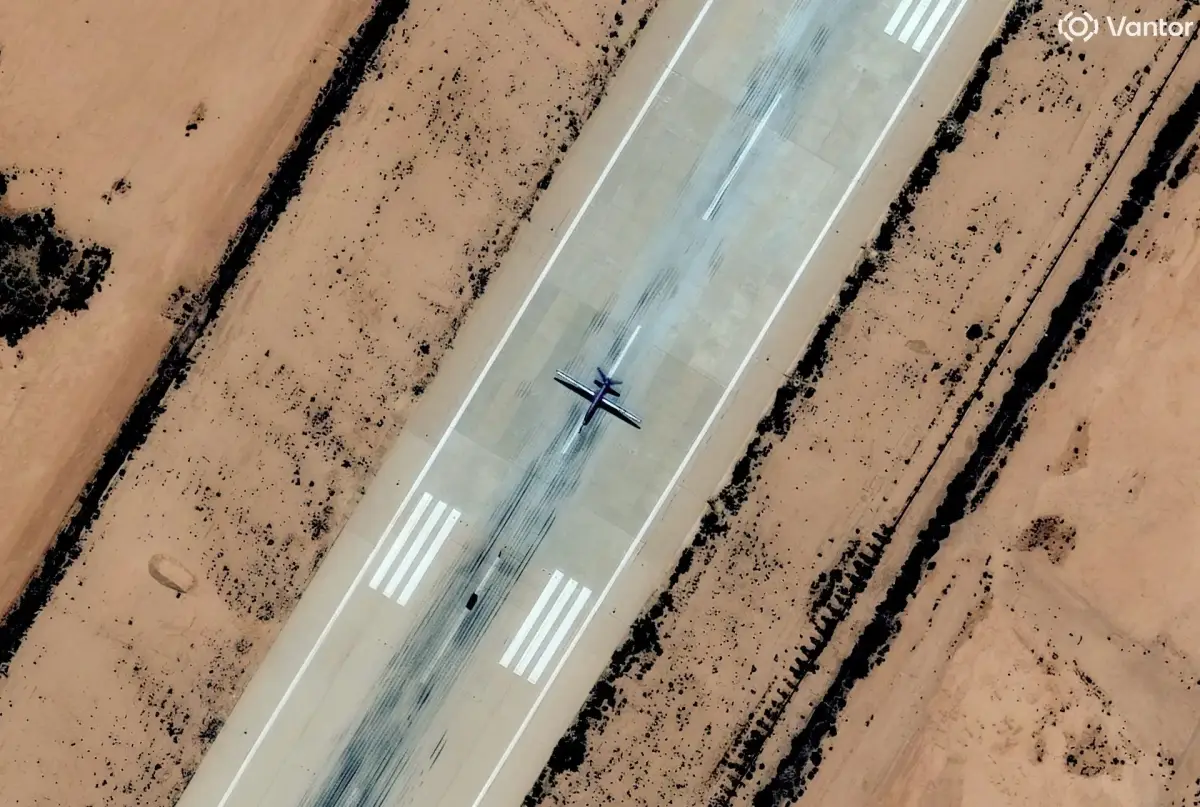
Satellite images have reportedly captured at least three combat drones stationed at Al Khadim airbase in Libya, according to Reuters. The images span from April to December, suggesting these aren't just passing through. They're parked and presumably operational.
This matters because Libya has been under a UN arms embargo for years. The presence of combat drones at an airbase linked to Libyan military leadership raises serious questions about how effectively that embargo is actually being enforced.
It also highlights a bigger trend that's impossible to ignore. Combat drones have become the weapon of choice for armed forces and non-state actors around the world. They're cheaper than manned aircraft, easier to acquire through gray markets, and increasingly capable thanks to advances in AI-assisted navigation and targeting.
For anyone working in the AI and drone space, this is a reminder that the same technologies powering commercial drone delivery and agricultural monitoring have direct parallels in military applications. The line between civilian and military drone tech continues to blur.
The embargo enforcement problem is worth paying attention to as well. Satellite imagery analysis, often powered by AI and machine learning, is becoming one of the primary tools for monitoring arms flows and holding actors accountable. Open-source intelligence communities have been using commercially available satellite data to track exactly these kinds of violations.
What remains unclear from the reporting is where these drones originated or what specific type they are. Those details would tell us a lot about which supply chains are leaking military hardware into embargoed regions.
The broader takeaway is straightforward. Drone proliferation is accelerating faster than international frameworks can keep up with. And AI is on both sides of that equation, powering the drones themselves and powering the surveillance systems trying to track them.


