NASA held a major event this week called Ignition, outlining spaceflight plans for the next decade. Most of the announcements landed well, including a Moon base, a bias toward action over talk, and partnerships with industry to cut red tape. But one proposal hit serious turbulence.
The problem centers on what comes after the International Space Station. The ISS is aging, and NASA needs a commercial replacement. During the Ignition event on Tuesday, NASA leaders were surprisingly blunt: they are not confident that a commercial marketplace for humans in low-Earth orbit is viable.
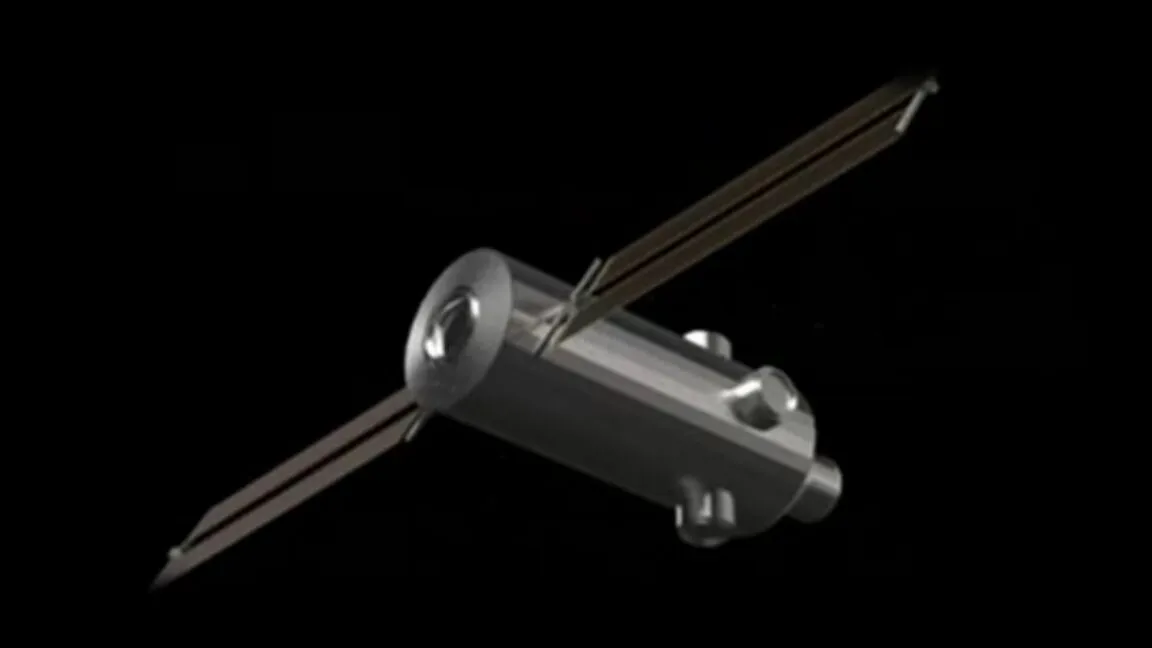
That admission sent shockwaves through the space industry. NASA's existing plan to work with private companies on independent space stations does not appear to be on solid footing. The agency proposed adding a new core module to the ISS as a potential bridge solution, but that idea is not winning fans either.
One observer compared the situation to Lucy pulling the football away from Charlie Brown. The space industry has heard promises about commercial stations before, only to watch timelines slip and funding dry up. This latest pivot feels like more of the same to many stakeholders.
The core tension is straightforward. NASA wants to hand off low-Earth orbit operations to the private sector so it can focus on deep space. But private companies need reliable demand and funding to justify building entire space stations. Neither side can solve the problem alone.
Why this matters for the AI and tech community: commercial space stations are expected to be major platforms for research, manufacturing, and data collection in orbit. Delays here ripple into timelines for microgravity computing, materials science, and orbital infrastructure that tech companies have been banking on.
For now, the path forward remains unclear. NASA has acknowledged the gap but has not offered a solution that satisfies either industry partners or its own advisory community. The only consensus so far is that nobody is happy with what is on the table.


