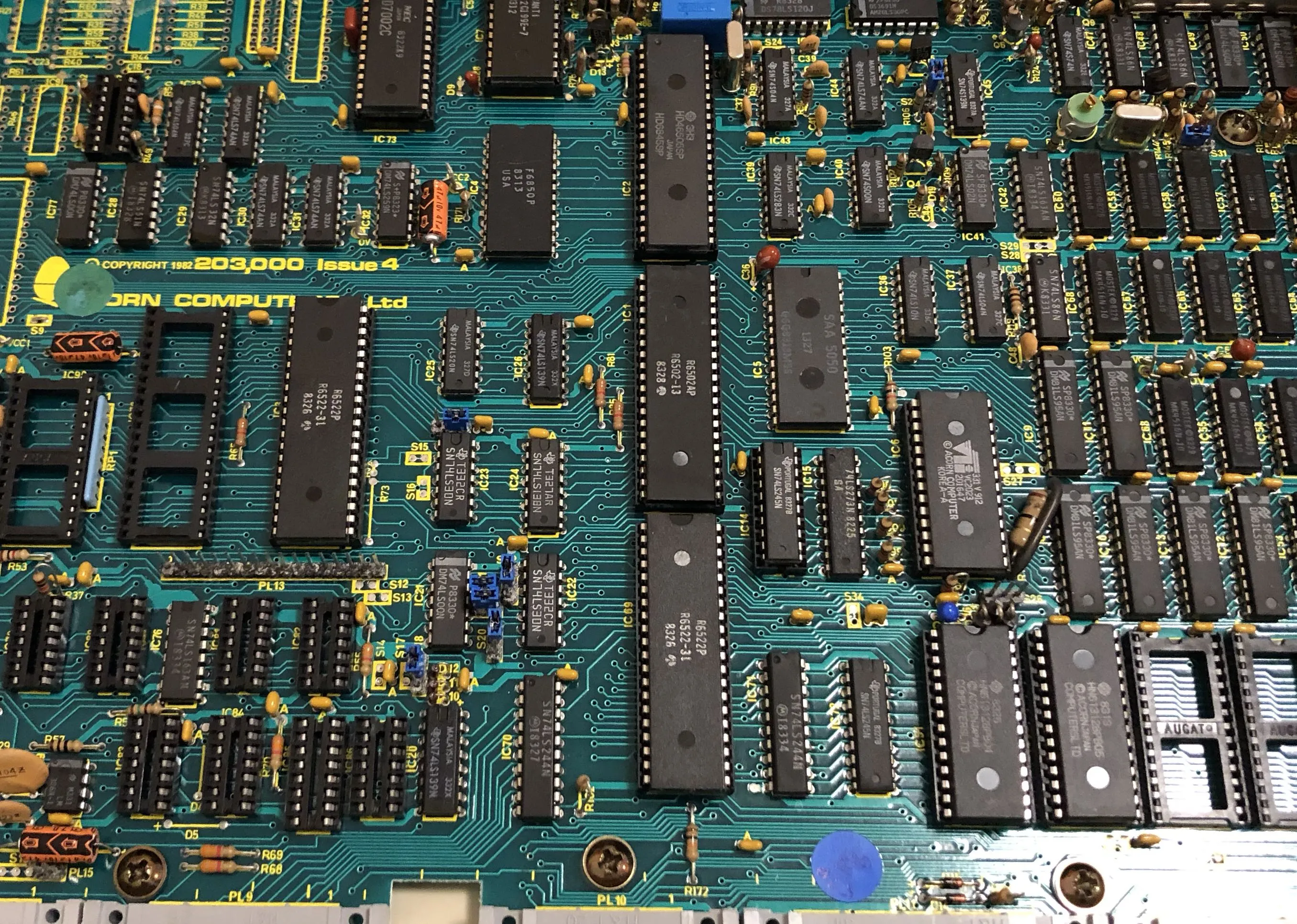
PicoZ80 is a modern take on the classic Z80 microprocessor, designed to fit into retro computing setups. This drop-in replacement uses FPGA technology to mimic the Z80's behavior while running on contemporary hardware like the Raspberry Pi. The project highlights a growing trend of reviving vintage tech with modern engineering.
Developers interested in retro systems or embedded projects can now run Z80 code without ancient hardware. The tool translates Z80 instructions into modern CPU operations, preserving compatibility while unlocking faster performance. This approach bridges the gap between nostalgia and practicality for hobbyists and educators.
The project resonates with AI/ML professionals who value legacy system preservation. It demonstrates how open-source hardware can keep outdated architectures relevant, enabling experimentation with vintage software ecosystems. For developers working on embedded systems, it offers a low-cost way to explore classic computing models.
Hacker News discussions highlight its appeal for educational use and hardware learning. Comments note its potential for teaching computer architecture fundamentals. The project also sparks debates about the value of preserving computing history in an era dominated by cloud and mobile tech.
PicoZ80 reflects broader interest in hybrid solutions that merge old and new. As AI tools increasingly require specialized hardware, projects like this show how retro computing can inform modern practices. It’s a reminder that innovation often builds on the foundations of the past.