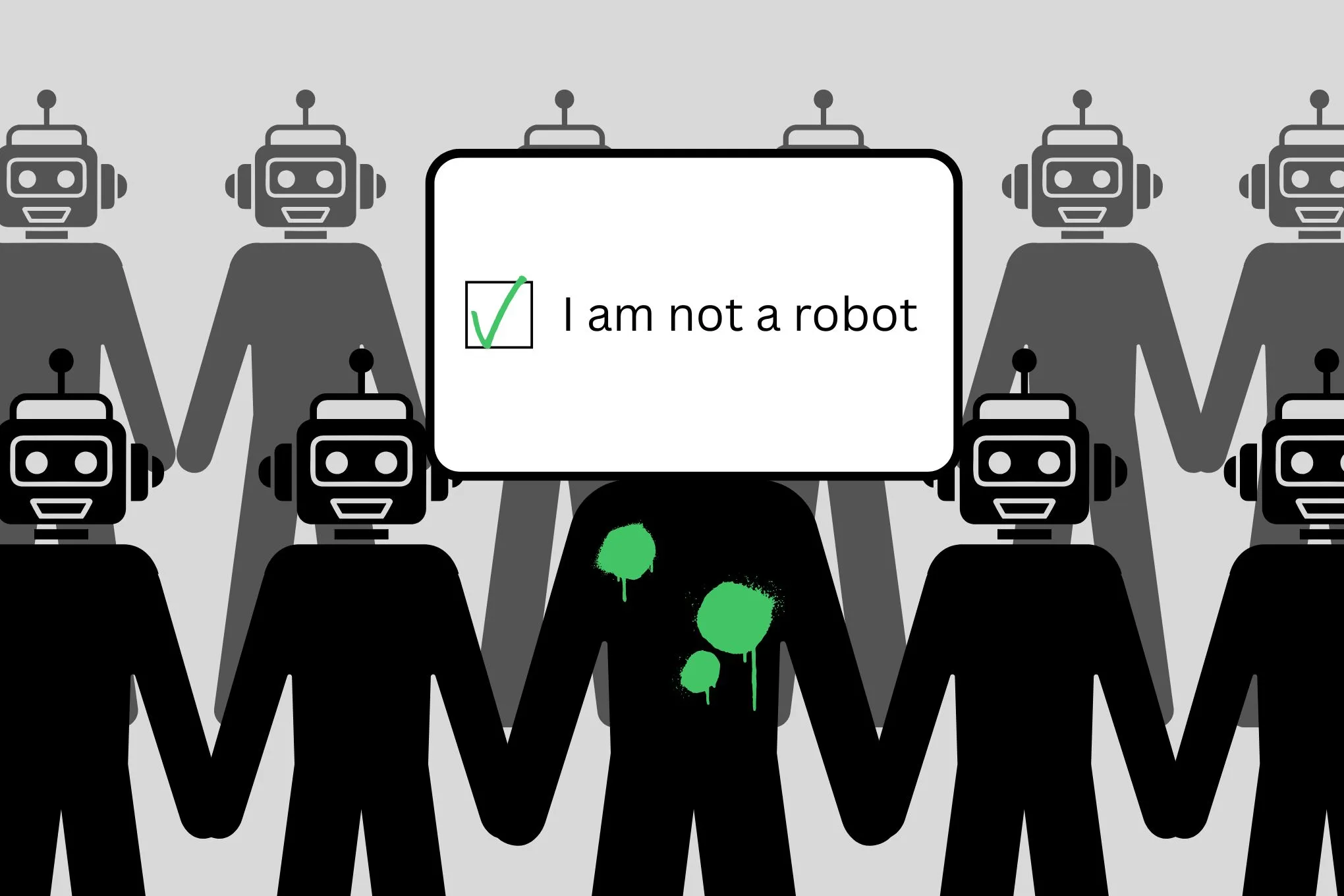
Here's a frustrating new reality for anyone who creates things and shares them online: people will assume AI made it. And honestly, can you blame them?
The phrase "this looks like AI" has become the default response to polished creative work on the internet. Writers, illustrators, photographers, they're all getting hit with it. The better your work looks, the more suspicious people get. That's a weird place for creativity to land in 2026.
The core issue is a trust vacuum. Platforms have been painfully slow to label AI-generated content, even when it's obvious. So users have started doing their own policing, which means real human creators are getting caught in the crossfire. You spent hours on an illustration? Prove it. You took that photo yourself? Prove it.
This is a genuine problem for the creative economy. When the default assumption flips from "a person made this" to "a machine made this," the burden of proof lands squarely on human creators. That's backwards, and it creates friction that discourages people from sharing their work at all.
For anyone building with AI tools or running a business that relies on content, this matters more than you might think. Trust is the currency of the internet. If audiences can't tell what's human and what's not, and platforms won't help them figure it out, engagement and credibility take a hit across the board.
The deeper trend here is that we're entering an era where provenance matters as much as quality. Tools that can verify how something was created, whether that's metadata, process documentation, or blockchain-based attribution, are going to become essential infrastructure, not nice-to-haves.
Right now, creators are stuck in an awkward middle ground. AI keeps getting better at mimicking human output, platforms keep dragging their feet on labeling, and real creators keep getting asked to justify their own work. Something has to give.


