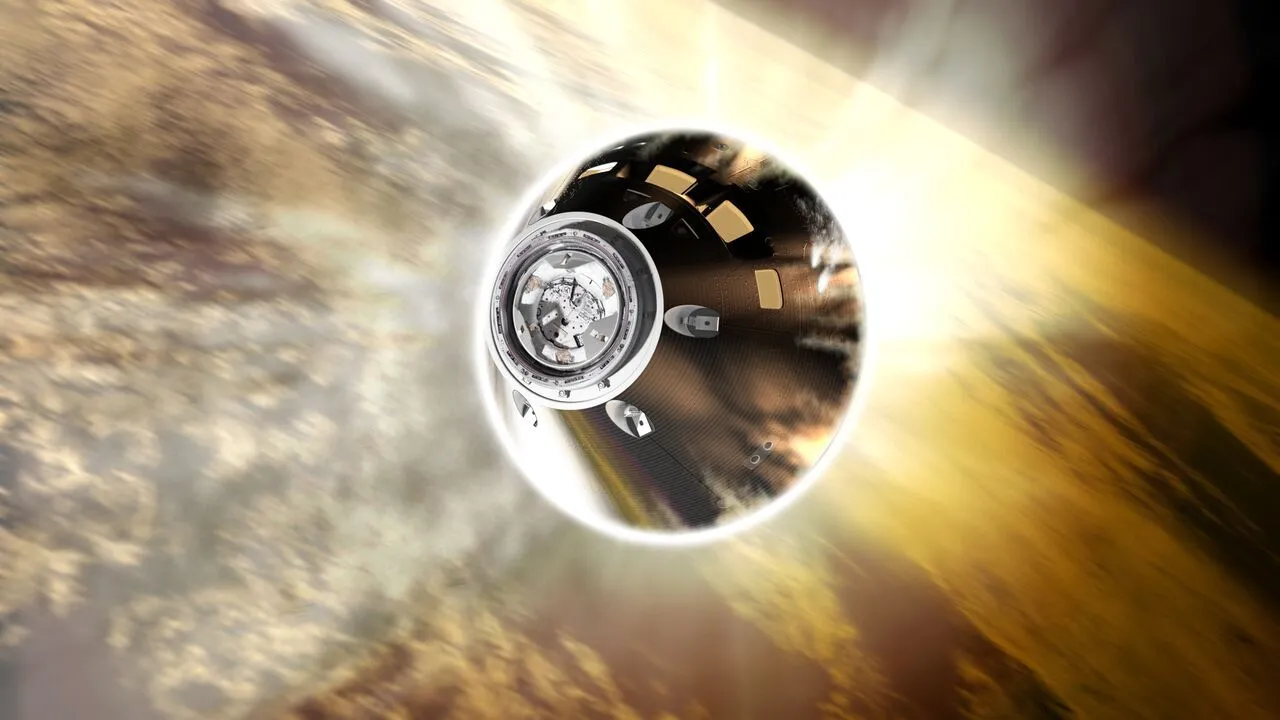
The reentry phase has historically been a make-or-break moment for space programs. Several ambitious projects ended in failure during this stage, making it a focal point for NASA's Artemis II mission. This final test will push astronauts to speeds 32 times the speed of sound as they return from the moon.
Reentry mechanics are notoriously complex. The extreme heat, aerodynamic forces, and precise timing required to safely return to Earth demand flawless engineering. For Artemis II, this means validating systems that could enable sustained human presence on the moon and beyond.
NASA's focus on reentry reflects broader challenges in space exploration. Even with advanced AI tools, simulating and predicting reentry conditions remains a computational hurdle. Success here could accelerate development of autonomous landing systems and real-time trajectory adjustments.
For AI professionals, the Artemis program highlights the intersection of machine learning and aerospace. Predictive models for reentry dynamics could improve with AI-driven data analysis, offering insights applicable to commercial spaceflight and satellite operations.
The stakes are high. A failure in reentry could delay lunar missions for years, impacting international partnerships and scientific goals. Artemis II's outcome will shape whether humanity moves forward with confidence or rethinks its approach to deep-space travel.


