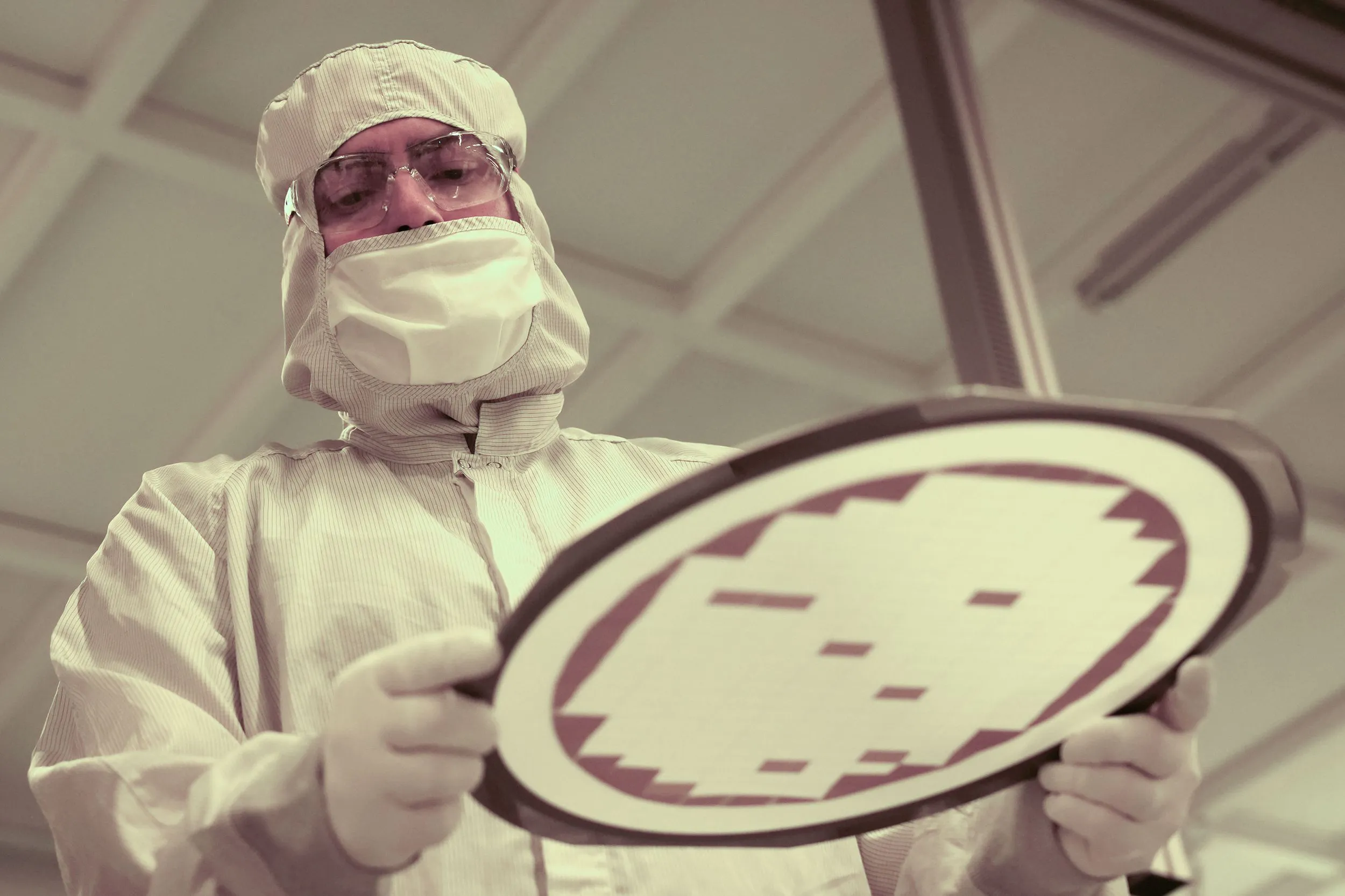
There's a quiet revolution happening in the semiconductor world, and it has nothing to do with designing faster chips. It's about how those chips get put together. Advanced chip packaging, the process of connecting and stacking different chip components into a single unit, has become one of the hottest areas in the AI hardware race.
Intel is going all in on this bet. While most of the AI chip conversation focuses on who can build the most powerful processors, Intel is positioning itself around the infrastructure that makes those processors actually work at scale. It's the kind of deeply technical play that doesn't make for flashy headlines, but could quietly generate billions in revenue.
So why does packaging matter so much right now? As AI models get larger and more complex, the demand for computing power is outpacing what any single chip can deliver. Advanced packaging lets companies combine multiple chip components, sometimes from different manufacturers, into tightly integrated systems that perform far better than any one piece could alone.
This is where Intel sees its opening. The company has invested heavily in packaging technologies and manufacturing capacity, betting that even competitors who design their own AI chips will need someone to package them. It's a foundry play with a twist, focused less on making the silicon itself and more on the critical assembly step that brings everything together.
For anyone building AI products or running AI workloads, this matters more than you might think. The packaging layer directly affects performance, power efficiency, and how quickly new chip designs can actually reach the market. Bottlenecks here ripple through the entire AI supply chain.
The broader trend is clear. The AI boom isn't just creating demand for better chips. It's creating demand for better everything around those chips, from packaging to power delivery to cooling. Intel is making a calculated bet that owning a critical piece of that puzzle is worth more than trying to win the chip design race outright.
Whether this strategy pays off depends on execution and whether Intel can attract enough customers to fill its packaging capacity. But the logic is sound. In a gold rush, selling the picks and shovels has always been a solid business model.


