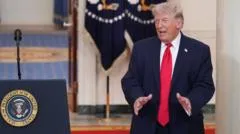
President Trump took to primetime television to address rising tensions with Iran, but according to the BBC's Gary O'Donoghue, the speech may have created more questions than it answered. Several key issues were notably absent from the address.
The president's goal was clearly to calm nerves. When a leader feels the need to go primetime, it signals the situation has reached a level where public anxiety is becoming a political problem. That framing matters.
What stands out here isn't what was said. It's what wasn't. O'Donoghue points to "glaring omissions" in the address, suggesting the administration is either still figuring out its strategy or deliberately keeping certain cards close to the chest. Neither option is particularly reassuring.
For anyone building a business or working in tech, geopolitical instability like this has real downstream effects. Energy prices, supply chains, market volatility, and investor sentiment all react to the prospect of military conflict in the Middle East. These aren't abstract foreign policy questions.
The pattern of incomplete communication from the White House on this topic is worth watching closely. When leaders address the nation but dodge the hard specifics, it usually means the situation is more fluid than they want to let on.
Whether this leads to escalation or diplomacy remains an open question. But the fact that a primetime address was deemed necessary, and still left key gaps, tells you the story is far from over. Stay tuned.


