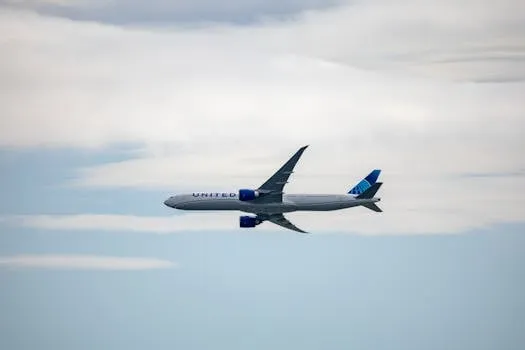
United Airlines has bumped its checked bag fee by $10, joining a growing wave of U.S. carriers passing rising fuel costs on to passengers.
The move makes United the second major airline in just one week to raise baggage fees. The industry is facing a sharp spike in jet fuel prices, which have climbed more than 80%.
For travelers, this means the cost of flying with luggage is going up across the board. When one major carrier raises fees, competitors typically follow within days or weeks.
The jet fuel surge is driven by broader energy market pressures. Airlines operate on thin margins, and fuel is one of their largest expenses, so even moderate price swings can force quick adjustments to ancillary fees.
Baggage fees have become a critical revenue stream for airlines over the past decade. What started as a way to offset fuel costs during earlier price spikes has turned into a permanent fixture of airline economics.
For frequent flyers and business travelers, the fee increases add up fast. Those without elite status or co-branded credit cards that waive bag fees will feel the pinch most.
Why it matters: airline fee structures are a bellwether for how energy costs ripple through the broader economy. When fuel prices climb this steeply, consumers tend to see the effects not just at the gas pump but in shipping rates, travel costs, and the price of goods that move by air.