The 2017 Trump tax cuts aimed to spur economic growth by lowering rates for individuals and corporations. Initial data showed increased consumer spending and business investment, but these benefits now face headwinds from inflation-driven price hikes.
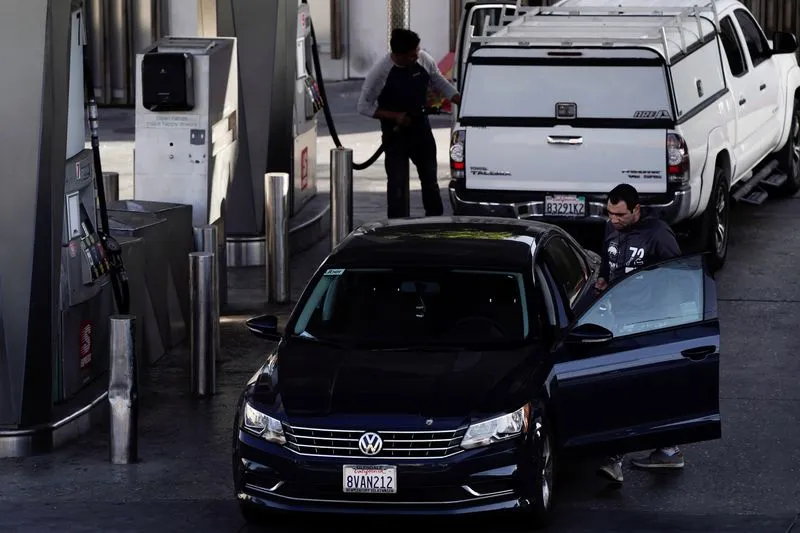
Gasoline prices have surged nearly 50% since 2020, outpacing wage growth for many workers. This creates a paradox where tax cuts expand buying power, but rising energy costs shrink it again, particularly impacting lower-income households that spend a larger share of income on fuel.
Economists warn this dynamic underscores the limits of fiscal policy alone. Tax cuts can't offset external shocks like global supply chain disruptions or geopolitical tensions affecting oil markets. The result is a mixed picture of economic resilience and vulnerability.
For AI professionals, this highlights the importance of contextualizing technological advancements within broader economic forces. Tools that optimize energy efficiency or predict market trends may gain traction as businesses seek to mitigate these kinds of macroeconomic risks.
The situation also raises questions about policy coordination. While tax cuts remain a popular political tool, their effectiveness depends on managing other cost drivers, like energy prices, that lie beyond federal control. This interplay will shape economic narratives for years to come.