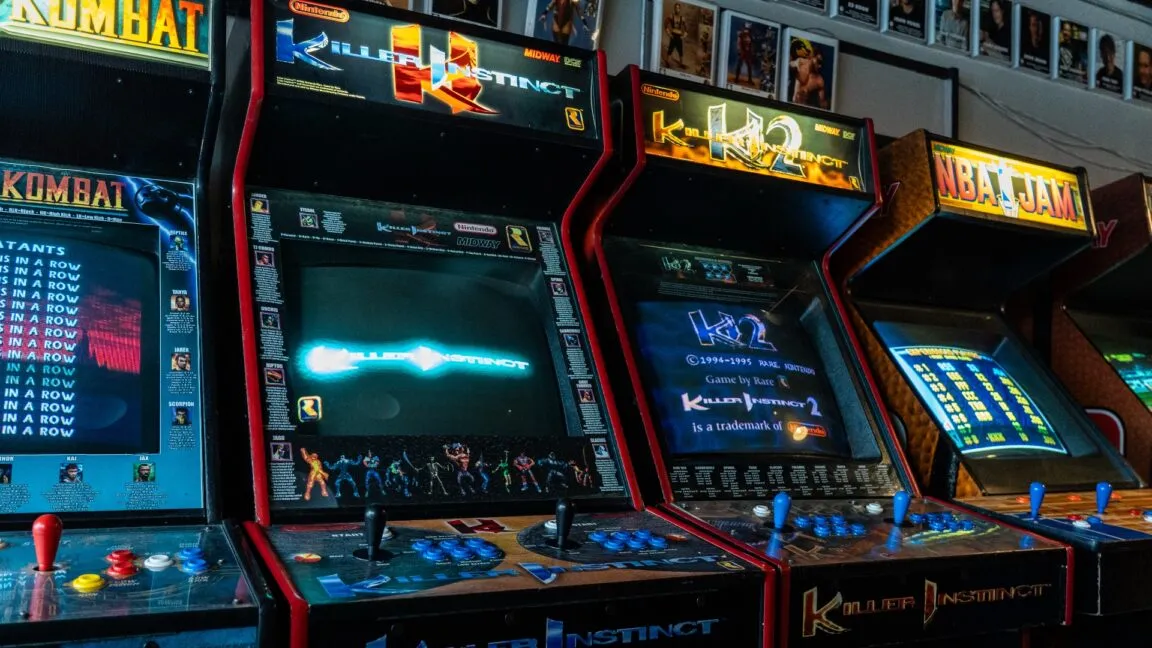
Two arcades are claiming to be the world's largest, and the dispute highlights something interesting about how we measure and value things. The title depends entirely on what you're counting: square footage, number of games, or some other metric.
This isn't just arcade drama. It's the same problem we see constantly in AI, where "best" or "most powerful" depends on which benchmark you choose. One model dominates on coding tasks while another excels at reasoning. The metric shapes the winner.
For anyone building with AI tools, this matters because vendor claims often rely on cherry-picked measurements. When a company says they have the "most accurate" model, ask: accurate at what, measured how, and compared to what baseline?
The arcade dispute is actually a useful reminder to stay skeptical of superlatives. Whether it's physical space or model performance, context and methodology matter more than the headline claim.
In both arcades and AI, the real question isn't who's technically largest or best. It's whether the thing actually serves your needs better than the alternatives. Sometimes the smaller arcade has better games.


