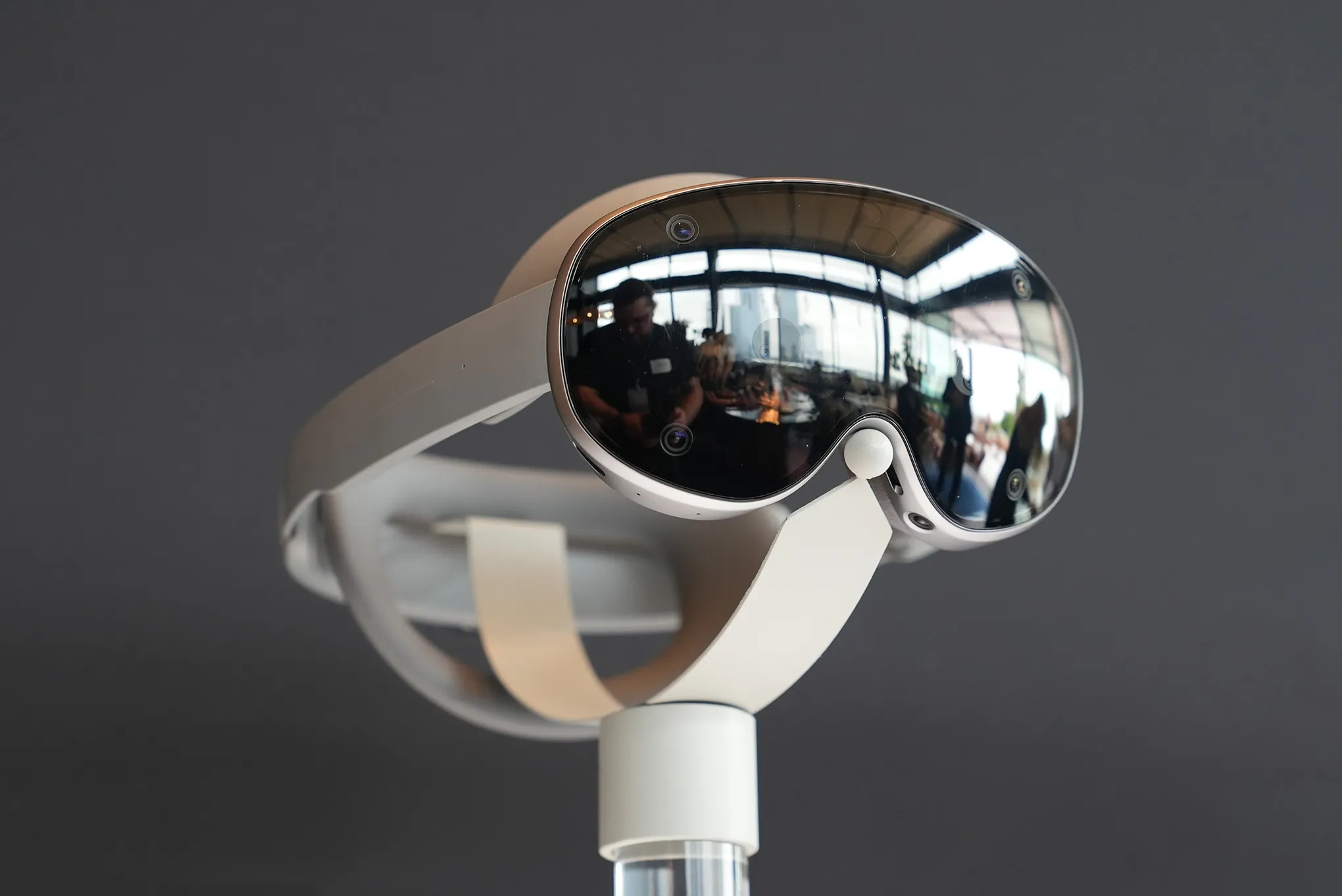
Google just flipped a switch that could change how we interact with flat content in mixed reality. A new feature called auto-spatialization is rolling out to Samsung Galaxy XR headsets, and it does exactly what it sounds like. It takes your regular 2D apps, websites, images, and videos and converts them into 3D experiences on the fly.
This isn't exactly a surprise. Google first teased auto-spatialization last year, but now it's actually shipping as an experimental feature on Android XR. The key word there is experimental, so expect rough edges.
The concept is compelling though. Instead of requiring developers to rebuild their apps from scratch for spatial computing, Google is letting the platform do the heavy lifting. Your existing 2D content gets a 3D treatment automatically. That's a fundamentally different approach than asking every app maker to invest in a full spatial redesign.
This matters because the biggest problem with every XR headset so far has been the app gap. Apple learned this with Vision Pro. Meta knows it with Quest. If most of your favorite apps only work as flat panels floating in space, the headset starts feeling like an expensive monitor you strap to your face.
Google is essentially trying to skip that problem entirely. By making spatialization automatic, they're betting that a "good enough" 3D experience across thousands of existing apps is more valuable than a handful of purpose-built spatial apps.
For anyone building tools or content right now, this is worth watching closely. If auto-spatialization works well, it lowers the barrier to XR relevance dramatically. Your website, your web app, your video content could all get a spatial upgrade without you writing a single line of new code.
It's still early days for Android XR and the Galaxy headset, but this feature signals where Google thinks the real unlock is. Not in waiting for developers to come to spatial computing, but in bringing spatial computing to the content that already exists.


