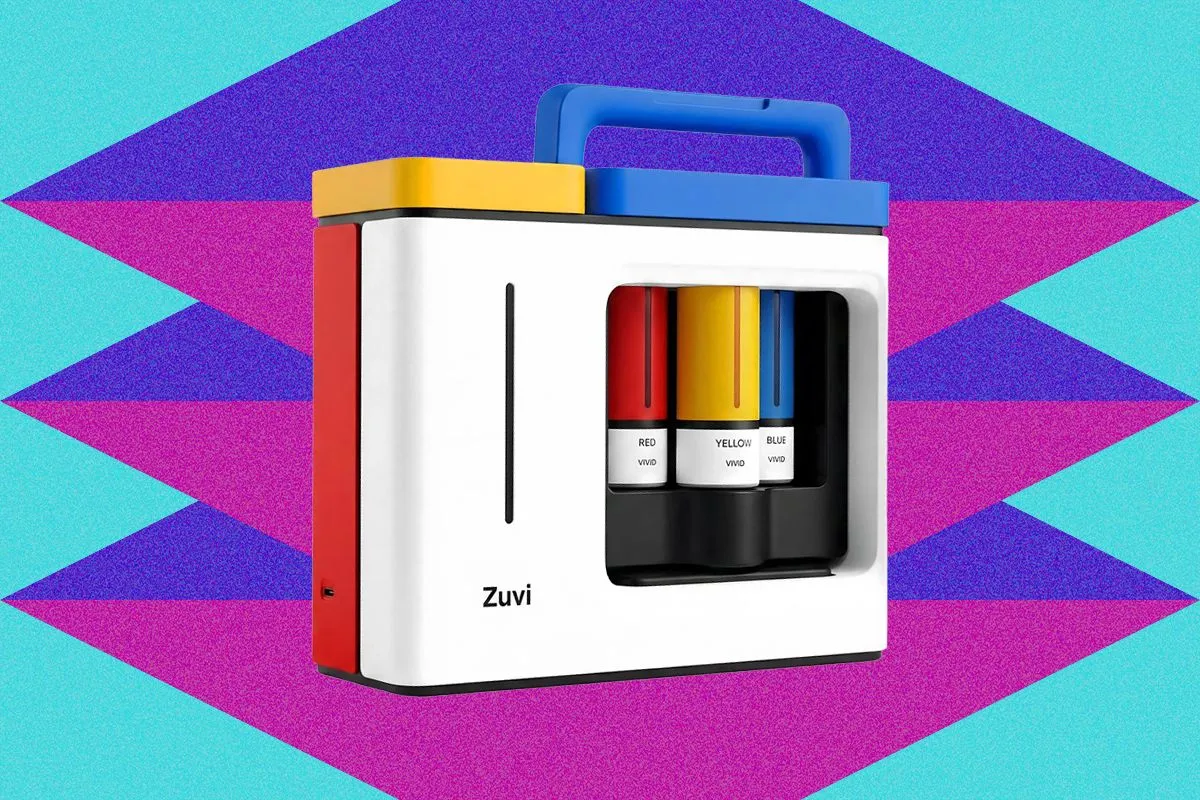
Zuvi launched the ColorBox as a home hair dye printer that would let you create hundreds of custom shades. The pitch sounded like personalized beauty tech finally arriving for your bathroom. Instead, it couldn't reliably produce even two different colors.
The device failure highlights a familiar pattern in consumer AI and automation products. Companies are racing to automate personal care tasks, but the gap between marketing promises and actual performance remains massive. Hair dyeing involves chemistry, precision, and individual variation that simple hardware can't easily solve.
For anyone building or investing in consumer tech, this is a reminder that physical world applications are harder than software. You can't just iterate and patch your way out of fundamental product limitations when dealing with chemistry and user safety.
The ColorBox joins a growing list of overpromised smart home devices that looked revolutionary in concept videos but fell apart in actual kitchens and bathrooms. The lesson isn't that automation is impossible, it's that the technology needs to actually work before it ships.
Zuvi's stumble matters because it affects how consumers view the next wave of AI-powered personal care tools. Every high-profile failure makes people more skeptical of legitimate innovations in the space. Trust is hard to rebuild once you've literally failed at the most basic version of your core promise.


