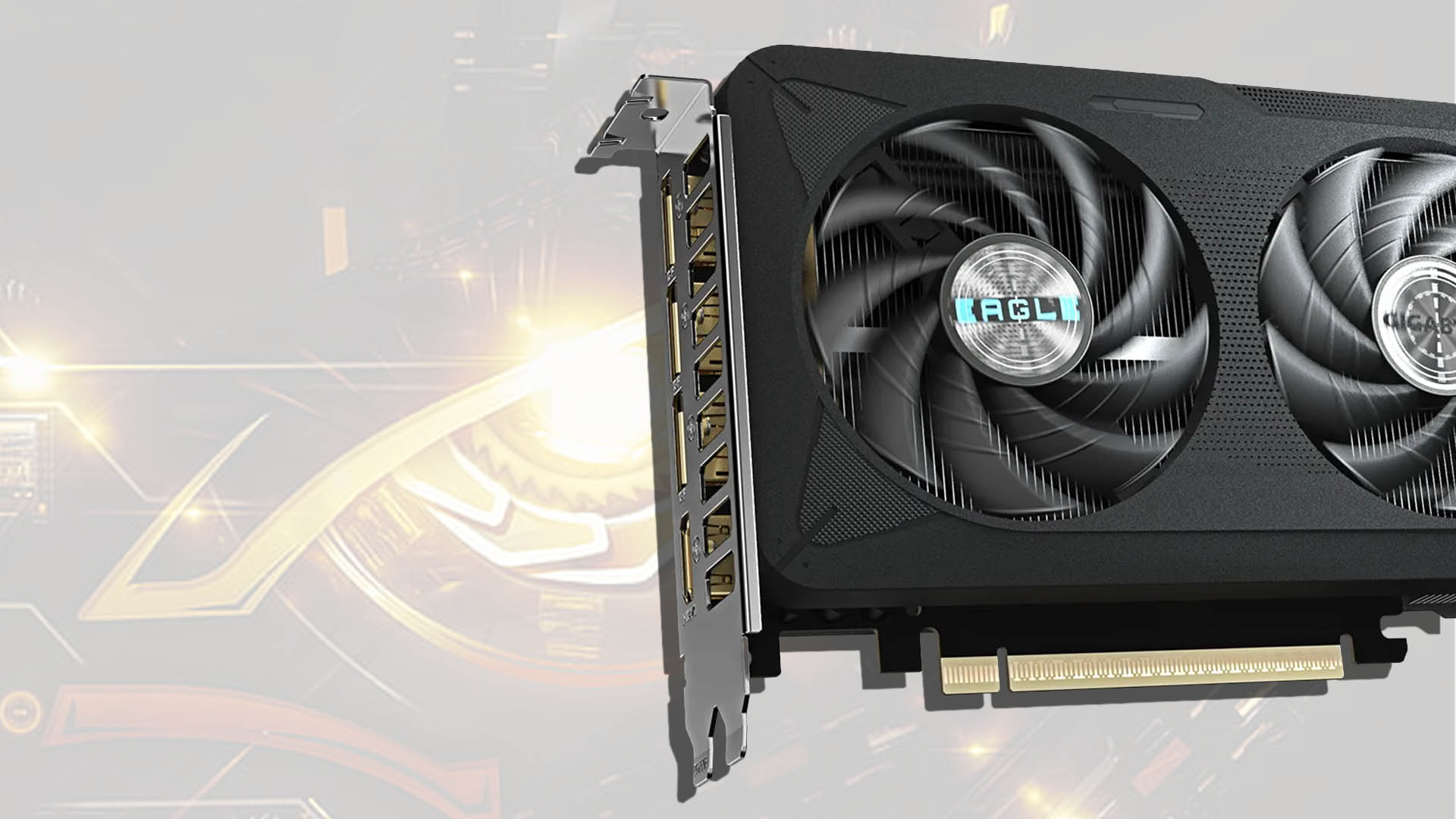
GIGABYTE Honors GPU Warranty for Broken Fan Blades, But Switches to Repair
Verdict
This incident highlights a rare, customer-friendly exception to GIGABYTE's typically strict warranty policies, though it does not reflect standard practice for physical damage claims.
Best for: PC builders interested in warranty policy trends
Skip if: Those expecting automatic replacements for physical damage
Pros
- GIGABYTE honored the warranty despite accidental physical damage
- Transparent communication about potential cosmetic blemishes
- Prioritizes resolving hardware issues over rigid policy enforcement
Cons
- Service changed from replacement to repair
- Repair process may result in discoloration or minor cosmetic marks
- Incident highlights lack of proper diagnostics by the user before RMA
Red Flags
- User did not perform proper diagnostics before RMA
- Repair may result in cosmetic blemishes
- Not a standard warranty policy for physical damage
A Rare Exception in GPU Warranty Enforcement
In the world of PC hardware, warranty policies are often rigid and unforgiving, especially when it comes to physical damage. Most manufacturers will immediately void a warranty if they detect signs of user-induced damage, such as broken fan blades or bent PCBs. However, a recent incident involving a GIGABYTE graphics card has broken this mold, offering a glimmer of hope for consumers who may accidentally damage their hardware. A Redditor, known as u/WholeFreedom3018, shared their experience of having a GIGABYTE GPU warranty honored even after they accidentally broke the cooler’s fan blades. While the outcome was positive, it came with significant caveats that every PC builder should understand.
The Incident: Accidental Damage and System Errors
The story begins with a user experiencing severe system stability issues. The GPU was throwing Event ID 153 and Event ID 14 errors, followed by the infamous “nvlddmkm” driver crash. These errors are notoriously difficult to diagnose, often pointing to a wide range of potential issues from faulty drivers to failing hardware. Instead of performing thorough diagnostics, such as running DDU to clean install drivers or checking for chipset and BIOS updates, the user decided to initiate an RMA with GIGABYTE.
During the investigation, it was discovered that the GPU’s fan blades had been physically broken. The user admitted that their fingers had come into contact with the spinning blades, causing them to separate from the housing. This is a clear case of accidental user damage, which typically results in an immediate warranty rejection. In the past, GIGABYTE, like most other manufacturers, would have outright refused any service for a card with such visible physical damage.
GIGABYTE’s Unusual Response
What makes this incident noteworthy is GIGABYTE’s response. Instead of rejecting the claim, the company acknowledged that the damage was unintentional. They decided to honor the warranty but changed the service from a complete replacement of the card to a repair service. This is a significant departure from their usual policy, which tends to be strict regarding physical damage.
GIGABYTE also demonstrated a high level of transparency in their communication. In an email to the customer, the company warned that the repair process could introduce minor cosmetic blemishes, such as discoloration on the GPU PCB. This level of honesty is rare in the warranty process, where companies often gloss over potential side effects of repairs. By informing the customer upfront, GIGABYTE allowed them to make an informed decision about the repair.
Why This Matters for Consumers
This incident is important because it challenges the assumption that all manufacturers will strictly enforce physical damage exclusions. While GIGABYTE’s decision was likely an exception rather than the rule, it shows that there is room for flexibility in warranty enforcement. For consumers who have accidentally damaged their hardware, this case suggests that reaching out to customer support might still yield a positive outcome, even if a full replacement is not possible.
However, it is crucial to note that this is not a guarantee. The user’s experience was likely influenced by the specific circumstances of the case, including the clear evidence of unintentional damage and the cooperative nature of the customer. Other users should not assume that GIGABYTE or any other manufacturer will treat accidental damage with the same leniency.
The Importance of Proper Diagnostics
Another takeaway from this incident is the importance of proper diagnostics before initiating an RMA. The user experienced system errors that could have been resolved through software updates, driver reinstalls, or other troubleshooting steps. By jumping straight to an RMA, the user exposed their card to the risk of warranty denial. If the fan blades had not been broken, the card might have been replaced without issue. Instead, the physical damage led to a repair service with potential cosmetic consequences.
PC builders should always exhaust all troubleshooting options before sending a card for warranty service. This includes running diagnostic tools, updating drivers and BIOS, and testing the hardware in different configurations. By doing so, users can avoid unnecessary physical damage and ensure that their warranty claims are based on genuine hardware failures rather than user error.
Conclusion: A Positive Precedent with Caveats
GIGABYTE’s decision to honor the warranty for a GPU with accidentally broken fan blades is a positive step towards more consumer-friendly warranty policies. It shows that manufacturers are willing to consider the context of physical damage and not just the presence of it. However, the switch from replacement to repair and the warning of cosmetic blemishes serve as a reminder that this is not a standard outcome.
For consumers, this incident highlights the need for caution when handling GPU hardware. While GIGABYTE’s response was commendable, it should not be seen as a guarantee of leniency. Proper care and thorough diagnostics remain the best ways to ensure a smooth warranty experience. As the PC hardware industry continues to evolve, incidents like this may encourage more manufacturers to adopt a more flexible approach to warranty enforcement, benefiting consumers in the long run.
Specifications
| GPU Model | Not Specified |
| Issue | Accidentally broken fan blades |
| Warranty Outcome | Repair instead of replacement |
| Cosmetic Impact | Potential discoloration on PCB |
Comparison
| Product | Price | Key Spec | Verdict |
|---|---|---|---|
| GIGABYTE (This Case) | N/A | Repair Service | Honored warranty with caveats |
| Typical GPU Manufacturer | N/A | Voided Warranty | Usually rejects physical damage claims |
| ASUS/MSI | N/A | Strict Policy | Likely to refuse service for user damage |
Sources
Get Reviews in Your Inbox
Subscribe for new reviews, buying guides, and honest product verdicts.