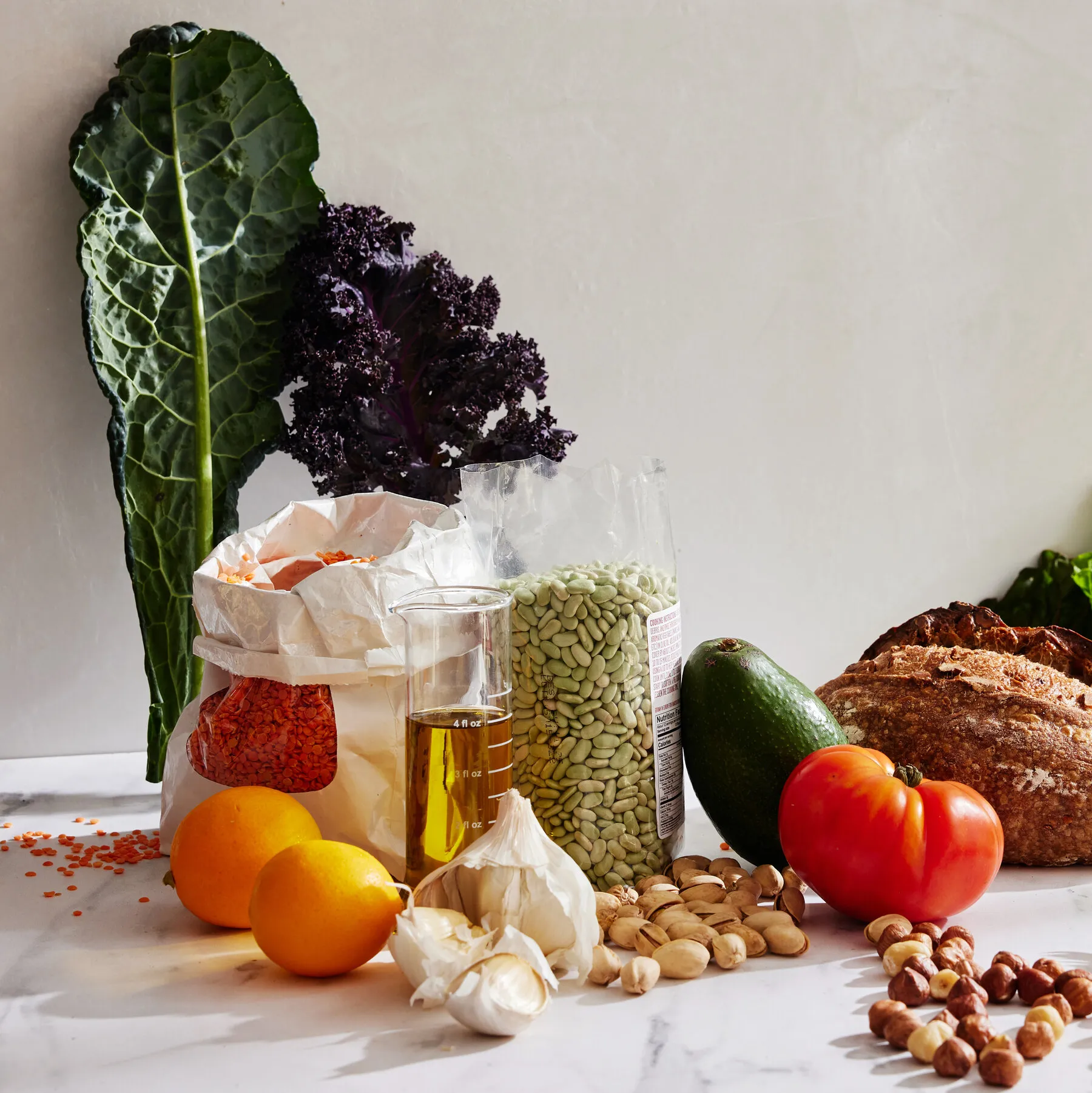
AI tools are creeping into personal health decisions, but many users still rely on traditional methods. A growing number are turning to chatbots for diet tips, weight management, and chronic condition support.
This trend raises questions about accuracy and accountability. Unlike registered dietitians, AI systems lack formal medical training. Their advice could contain errors or oversimplify complex nutritional needs.
The survey aims to uncover how people evaluate AI-generated guidance. Are users prioritizing convenience over expertise? Do chatbots fill gaps in healthcare access or create new risks?
For AI developers, user feedback is critical. Understanding pain points could improve chatbot design but also highlights the need for clearer disclaimers about limitations.
Healthcare professionals warn against replacing human expertise with algorithms. Yet 65% of adults now use some form of AI for health info, per recent studies.
This debate reflects broader tensions in AI adoption. Users want efficiency, but errors in medical advice can have serious consequences. The survey could shape future regulations around AI in healthcare.
Your experience matters. Whether you trust chatbots or avoid them, sharing insights helps define ethical AI use in sensitive areas like nutrition.


