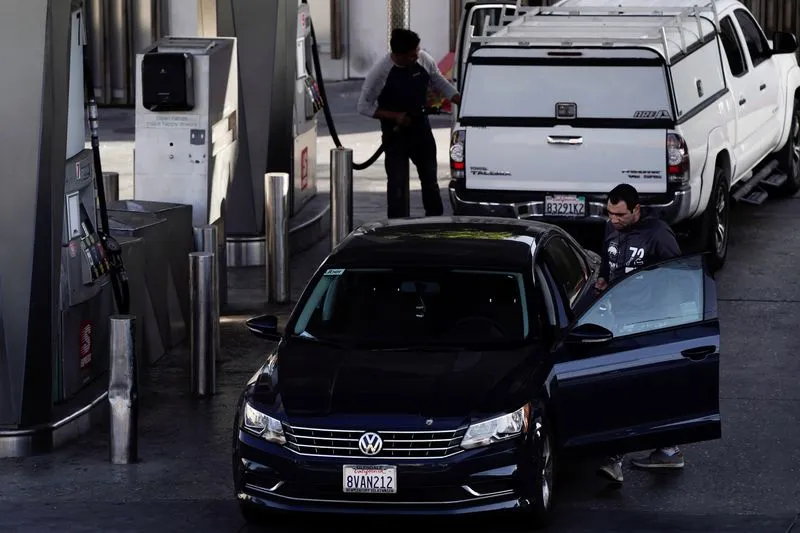
There's a growing split in how Americans are handling economic pressure right now, and Bank of America's latest data paints a pretty clear picture. Lower-income consumers are already pulling back on spending, hit hard by rising gas prices. Meanwhile, higher earners are watching the markets slide and starting to feel a lot less confident about what's ahead.
This isn't just a "Wall Street vs. Main Street" story anymore. It's both streets feeling the heat at the same time, just for different reasons. When the people who drive everyday spending (lower-income households) start cutting back, that ripples through retail, food service, and local economies fast.
The higher-income side of this is interesting too. Consumer sentiment among wealthier households is dropping, and that usually tracks with market performance. When portfolios shrink, even people with solid incomes start second-guessing big purchases, investments, and hiring decisions.
What makes this moment worth paying attention to is the pincer effect. You've got cost-of-living pressure squeezing from the bottom and market anxiety pressing down from the top. That combination tends to slow economic activity more broadly than either factor alone.
For anyone building or running a business, this is a signal worth watching closely. Consumer pullback at the lower end means demand shifts. Confidence drops at the higher end mean investment and discretionary spending could cool off. Both of those affect revenue forecasts and growth plans.
If you're in the AI tools space specifically, this is relevant because budget scrutiny increases across the board during these periods. The tools that survive tighter spending are the ones that clearly save time or money. "Nice to have" gets cut first.
The Bank of America data is essentially a leading indicator here. Spending behavior changes before GDP numbers do, before earnings calls reflect it, before headlines catch up. Consider this an early weather report for Q2 and beyond.